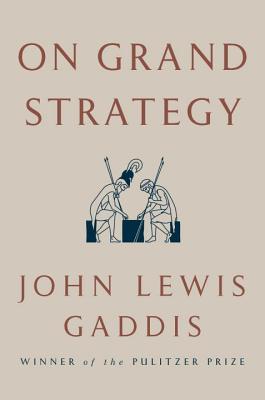
On Grand Strategy
Book Description
Strategy isn't just for generals; it's a lens through which history reveals its most profound lessons. In *On Grand Strategy*, John Lewis Gaddis masterfully connects the threads of diplomacy and warfare, weaving through the minds of history's greatest leaders—from the cunning of Sun Tzu to the resolve of Churchill. Each decision unfolds like a high-stakes chess match, where the stakes are nations and the consequences are eternal. With sharp insights and a gripping narrative, Gaddis invites readers to grasp the art of strategy that shapes our world. What will the next great strategist teach us about the battles yet to come?
Quick Book Summary
"On Grand Strategy" by John Lewis Gaddis dives into the enduring principles behind effective leadership and strategic planning by examining the lives and minds of history’s most influential strategists. Gaddis explores how leaders like Sun Tzu, Lincoln, and Churchill balanced grand ambitions with practical means, highlighting successes and failures in the application of strategy. The book argues that great strategy requires aligning objectives and resources, anticipating consequences, and understanding both the limits and opportunities present in any given situation. Through an engaging narrative that blends history, political theory, and lessons in leadership, Gaddis offers timeless insights into the art and science of strategy, making the book essential reading for anyone seeking to understand the complexities of decision-making at the highest levels.



Summary of Key Ideas
Table of Contents
Balancing Ends and Means in Strategy
Gaddis opens with the concept of grand strategy as both an art and a science, requiring the careful alignment of ends (desired outcomes) and means (available resources). Drawing from ancient to modern times, he emphasizes that effective leaders recognize the importance of working within one’s constraints while pursuing ambitious objectives. Strategic blindness arises, he argues, when leaders ignore limitations, pushing for goals without adequate support or preparation. Historical examples, from Xerxes’ failed invasion of Greece to Hitler’s overreaching ambitions, underscore the repercussions of neglecting this balance.
Learning from Historical Precedents
History serves as the book’s classroom, offering lessons through the experiences of legendary strategists like Sun Tzu, Octavian, Lincoln, and Churchill. Gaddis illustrates how these figures depended on context, timing, and adaptability as much as on vision and determination. By dissecting their choices and the environments they faced, the book shows that strategies are not static; they depend on the flexible application of timeless principles according to the circumstances at hand.
The Dangers of Hubris and Overreach
One recurring danger highlighted in the book is the peril of hubris and overreach. Even the most brilliant leaders risk disaster when they disregard practical realities or underestimate their opponents. Gaddis details how unchecked ambition can unravel otherwise solid plans, referencing Napoleon’s invasion of Russia and the failures of the Vietnam War as cautionary tales. True strategic thinking, he insists, requires humility and an acute awareness of risks and limitations.
Adaptability in Unpredictable Circumstances
Adaptability emerges as a vital quality for all strategists. Unexpected events and rapidly changing conditions challenge the best-laid plans, demanding the capacity to pivot and improvise. The successful campaigns of leaders like Washington and Roosevelt are analyzed, revealing how their ability to adjust to setbacks and seize opportunities distinguished them from less flexible adversaries. Gaddis encourages readers to craft strategies that are open to revision rather than rigidly doctrinaire.
Moral and Ethical Dimensions of Leadership
Finally, Gaddis weaves in the moral and ethical dimensions of grand strategy. Leaders are not only tasked with achieving objectives but also with considering the broader impact of their decisions. The book highlights instances where ethical considerations guided or were sacrificed for expediency, shaping the ultimate legacy of historical figures. In synthesizing these lessons, Gaddis presents grand strategy not just as a set of abstract principles, but as a lived experience that marries intellect, character, and foresight in the service of leadership.
Download This Summary
Get a free PDF of this summary instantly — no email required.