
On Charisma and Institution Building: Selected Writings
Book Description
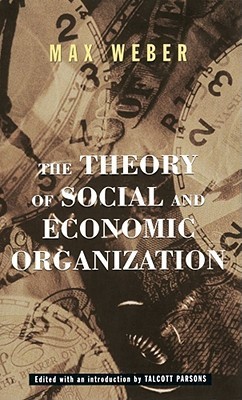
Charisma ignites movements and shapes destinies, but what happens when an iconic leader leaves the stage? In "On Charisma and Institution Building: Selected Writings," Max Weber unravels the complex tapestry of authority, power, and institutional frameworks that govern society. With incisive clarity, he explores the dynamics between compelling personalities and the bureaucratic structures that rise in their wake. Each essay crackles with the urgency of real-world implications, revealing how fragile ideals can be in the hands of flawed leaders. What will emerge when the flame of charisma flickers out and institutions must stand on their own?
Quick Book Summary
"On Charisma and Institution Building" gathers Max Weber's seminal writings that dissect the nature of charismatic authority and its critical role in social change. Weber distinguishes between traditional, legal-rational, and charismatic forms of authority, emphasizing the extraordinary role of charismatic leaders in galvanizing societal transformation. However, Weber also elucidates the challenges faced when the fervor of charismatic leadership must transition into stable, enduring institutions. Through rigorous analysis, he demonstrates how charismatic movements risk being tamed and routinized by bureaucratic structures, often leading to the dilution of their founding ideals. The collection remains a foundational text for understanding leadership, legitimacy, the formation of institutions, and the perennial tension between spontaneity and enduring order in social life.





Summary of Key Ideas
Table of Contents
Charismatic Leadership and Social Change
Max Weber introduces his concept of charisma as a form of authority distinct from traditional or bureaucratic power. Charismatic authority arises from the exceptional qualities of individuals who inspire devotion and energize social or political movements. For Weber, charisma is irrational and revolutionary, often emerging during periods of crisis or social upheaval, serving as a catalyst for profound transformation. This dynamic explains the devotion followers bestow upon figures such as prophets, revolutionaries, or military chieftains, whose personal qualities seem to transcend everyday norms.
The Transformation of Charisma into Institutions
Weber explores authority through a threefold typology: traditional, charismatic, and legal-rational. Charismatic leadership challenges established structures, enabling rapid change and innovation. However, its reliance on personal attributes also renders it unstable and unsustainable over time. As movements expand, the initial charismatic connection becomes difficult to maintain, prompting the need for a transfer from inspired leadership to more systematic forms of governance as a way to preserve stability and continuity.
Types of Authority and Legitimacy
A critical process in Weber’s writing is the “routinization of charisma.” As charismatic movements seek permanence, followers and successors attempt to institutionalize the original leader’s vision. This leads to the emergence of administrative apparatuses and formalized rules, birthing bureaucracy. While routinization ensures survival, it poses the risk of diluting the spontaneity and ideals that once propelled the movement forward. The foundational charisma becomes codified, safeguarded by those now invested in preserving institutional order.
The Challenges of Bureaucratization
Bureaucratization, another of Weber’s central concerns, is the mechanism by which institutions solidify and expand. Though bureaucracy supports continuity and efficiency, it also introduces rigidity, impersonality, and hierarchy. Weber warns that bureaucratic structures often override individual creativity and stifle innovation, potentially leading to the disconnection from the movement’s original meaning. This illustrates a paradox: the very efficiency that perpetuates institutions can undermine the inspiration that gave birth to them in the first place.
The Tension Between Ideals and Institutionalization
Throughout, Weber asks how ideals persist—or are lost—within institutions. As charismatic energy gives way to routine, the tension between original vision and the mechanisms of stability becomes pronounced. Institutions can safeguard legacies, but they also risk becoming hollow shells. Weber’s analysis underscores a recurring lesson in social science: the delicate balance between dynamic leadership, the impulses of the masses, and the structures necessary for lasting social order. In connecting charisma and institution-building, Weber provides a timeless framework for understanding societal transformation and the precarious fate of ideals in the face of bureaucracy.
Download This Summary
Get a free PDF of this summary instantly — no email required.