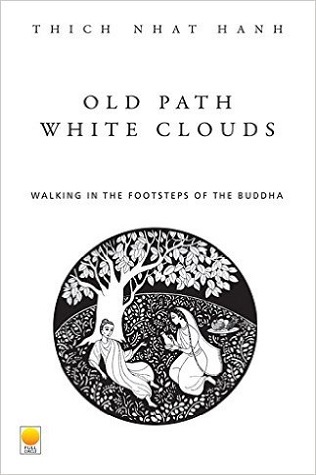
Old Path White Clouds: Walking in the Footsteps of the Buddha
Book Description
Step into a world where ancient wisdom guides every breath and step. "Old Path White Clouds" invites readers to journey alongside the Buddha, exploring the profound teachings that transformed a scattered existence into a life of clarity and compassion. As verdant landscapes unfold, discover the challenges faced by a seeker on the path to enlightenment, and witness the powerful stories that shape the essence of mindfulness. Each page breathes life into timeless lessons, weaving together the essence of suffering, joy, and awakening. Will the truth of the Buddha's path illuminate the shadows of modern life, revealing a way forward?
Quick Book Summary
Old Path White Clouds, written by Thich Nhat Hanh, is a lyrical and accessible retelling of the life of Siddhartha Gautama, the Buddha, based on ancient sources. Blending biography, spiritual guidance, and narrative storytelling, the book takes readers on a journey from Siddhartha’s privileged childhood to his quest for enlightenment, the founding of the Buddhist monastic community, and his compassionate teachings. Through poignant anecdotes and encounters, Thich Nhat Hanh illustrates core Buddhist principles such as mindfulness, compassion, and the impermanence of life. The narrative unfolds like a meditative walk, inviting readers to reflect on the nature of happiness, suffering, and liberation, and to apply these timeless values in their own daily lives.


Summary of Key Ideas
Table of Contents
The Journey to Enlightenment and Its Challenges
Old Path White Clouds traces the spiritual, emotional, and physical journey of Siddhartha Gautama, who became the Buddha. From his childhood in Kapilavastu to his exposure to illness, aging, and death, Siddhartha’s disillusionment with worldly pleasures propels him to search for a path beyond suffering. His long and arduous journey is marked by many trials, contemplations, and transformative encounters with teachers and seekers. The narrative follows his struggles, renunciation, and years of asceticism, culminating in his moment of awakening under the Bodhi Tree.
Understanding and Transforming Suffering
Central to the Buddha's journey and teachings is the understanding of suffering (dukkha) and its causes. Through the Buddha’s interactions with kings, scholars, and peasants, he imparts the Four Noble Truths—suffering exists, it has a cause, it is possible to end it, and there is a path leading to that cessation. By recounting personal and shared stories of grief, illness, and loss, the book makes Buddhist teachings on suffering deeply relatable and shows how understanding suffering is the first step toward freedom.
The Practice and Power of Mindfulness
Mindfulness is woven throughout as the practical heart of the Buddha’s path. Thich Nhat Hanh highlights how everyday actions—walking, breathing, eating—can become anchors for mindful living. The book demonstrates mindfulness as a skill developed through meditation, attention, and presence, which cultivates clarity and equanimity. Readers see how the Buddha guided others to awaken to their lives in the present moment, not to evade pain, but to embrace and transform it.
Compassionate Community and Social Harmony
As the Buddha gathers disciples and establishes the monastic Sangha, the book explores how community (Sangha) and compassion are foundational to spiritual progress. Emphasis is placed on right speech, harmony, inclusion, and the alleviation of suffering for all beings. The Buddha’s interactions with both marginalized and powerful individuals underscore the social dimension of his message, inviting a vision of collective well-being built on mutual understanding and compassion.
Impermanence and Liberation from Attachment
The teachings are continually set against the backdrop of impermanence. From the changing seasons to the passing of loved ones, the Buddha gently reveals the futility of clinging and the freedom gained by letting go. Liberation, as presented, comes from understanding the transient nature of all things, realizing the interconnectedness of life, and cultivating non-attachment. Ultimately, Thich Nhat Hanh’s narrative is both a biography and a practical guide, encouraging readers to walk their own path with awareness, compassion, and courage.
Download This Summary
Get a free PDF of this summary instantly — no email required.