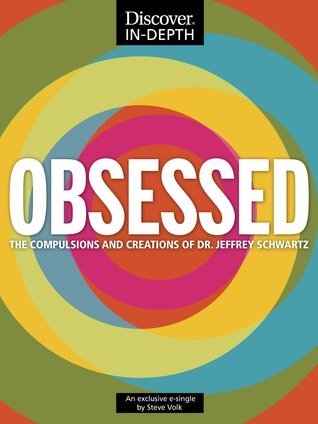
Obsessed: The Compulsions and Creations of Dr. Jeffrey Schwartz
Book Description
Obsessed with unlocking the mysteries of the human mind, Dr. Jeffrey Schwartz battles compulsions that haunt him and his patients. His groundbreaking research into obsessive-compulsive disorder reveals the fragile balance between sanity and madness. Tension mounts as he confronts the boundaries of science and the power of the mind, where each revelation leads to profound consequences. With compelling stories of hope and struggle, Schwartz's journey transcends clinical walls, exploring the depths of human experience. What happens when the quest for understanding becomes an obsession in itself, blurring the lines of reality and revelation?
Quick Book Summary
"Obsessed: The Compulsions and Creations of Dr. Jeffrey Schwartz" by Steve Volk delves into the life and career of psychiatrist Jeffrey Schwartz, a pioneering figure in the study and treatment of obsessive-compulsive disorder (OCD). Battling his own internal obsessions, Schwartz channels his personal struggles into groundbreaking research, unraveling how compulsions both debilitate and sometimes inspire human achievement. Volk interlaces Schwartz’s personal battles with patient stories and scientific discoveries, demonstrating how the quest for understanding the mind often borders on obsession itself. The book challenges readers to consider the fine line between madness and genius, and how confronting the compulsions within can lead to personal transformation and innovations in mental health. It is a compelling exploration of suffering, hope, and the possibility of mastery over one’s own mind.




Summary of Key Ideas
Table of Contents
The Fragility of the Mind: Sanity and Madness
Dr. Jeffrey Schwartz’s journey begins with his fascination for the human mind, not merely as a doctor, but as an individual beset by compulsions of his own. Growing up with a tendency toward obsessive thinking, Schwartz sought answers within the world of psychiatry and neuroscience. His personal reckoning with compulsion became the engine of his professional life, pushing him to the forefront of OCD research. Volk paints Schwartz as a complex figure—relatable and flawed—whose own struggles mirror those of the patients he dedicates his life to healing.
Obsessive-Compulsive Disorder as an Inspiration and Curse
Obsessive-compulsive disorder emerges in the book as both a torment and a driving force for achievement. Schwartz’s work uncovers how compulsions manifest neurologically and psychologically. Through case studies and personal anecdotes, Volk chronicled the harrowing effects OCD can have on lives, but also highlighted moments when obsessive focus yields extraordinary breakthroughs. The book emphasizes the paradox of obsession—how the same drive that destroys can also create and innovate.
The Limits and Powers of Neuroscience
As Schwartz’s research progresses, he pushes the boundaries of what is considered possible in mental health. He investigates neuroplasticity, the brain’s ability to rewire itself through deliberate mental effort—a revolutionary idea that challenges the conventional role of the mind in mental illness. Schwartz develops the "Four Steps" method, empowering patients to actively reshape their thoughts and resist compulsions, thus transforming lives and expanding the horizons of psychiatric treatment.
Personal Struggle and Scientific Innovation
Throughout his career, Schwartz faces ethical and philosophical dilemmas that question the foundations of psychiatric practice. Volk delves into the consequences of interventions that blur the line between reshaping minds and altering core identities. Schwartz himself grapples with the responsibility of wielding such power over the human psyche, leading to reflections on free will, self-mastery, and the moral obligation mental health professionals hold toward their patients.
The Ethics and Consequences of Mental Health Interventions
Ultimately, the book weaves together stories of suffering and hope, showing that obsession—when harnessed—can be a source of healing. Through intimate portraits of patients and the relentless quest of Schwartz, Volk demonstrates that embracing, rather than eradicating, the complexities of the mind leads to innovation, empathy, and a new understanding of what it means to be human. The narrative begs the question: when does the pursuit of knowledge cease to help and begin to harm, and can true mastery of the mind ever be achieved?
Download This Summary
Get a free PDF of this summary instantly — no email required.