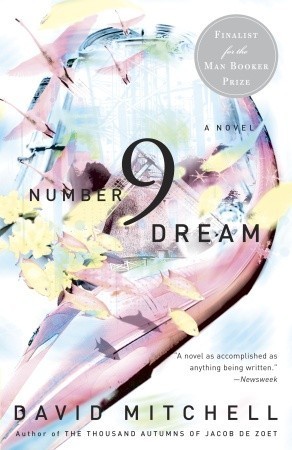
Number9Dream
Book Description
A young man, lost in the neon labyrinth of Tokyo, dives deep into a world where dreams blur with reality, and every encounter holds the weight of his yearning for connection. Eiji's search for his father propels him through a whirlwind of bizarre characters, shadowy conspiracies, and the haunting echoes of love and loss. As he navigates this vibrant yet treacherous city, each revelation brings him closer to the truth—or deeper into a web of illusion. Will Eiji uncover the secrets of his past before the city swallows him whole?
Quick Book Summary
"Number9Dream" by David Mitchell is a surreal and poetic exploration of identity, memory, and longing set in contemporary Tokyo. The story follows Eiji Miyake, a 20-year-old from rural Japan who arrives in the city seeking the father he’s never met. As he ventures deeper into Tokyo’s underworld and dreamscape, Eiji encounters a series of vivid characters—both real and imagined—including yakuza, hackers, and lost loves. Dreams, fantasies, and reality blur with each step, reflecting Eiji’s internal struggle to come to terms with the loss of his twin sister and the absence of his mother and father. Mitchell weaves magical realism with gritty urban life, constructing a narrative that questions the nature of truth, the persistence of hope, and the cost of searching for connection in a confusing, sometimes hostile world.





Summary of Key Ideas
Table of Contents
Search for Identity and Belonging
Eiji Miyake arrives in Tokyo determined to find the father he has never known. Armed with only a name and his fierce desire for answers, Eiji is both awestruck and overwhelmed by the city’s size, pace, and anonymity. As he navigates the bureaucratic maze of clues—starting with an intimidating office tower—his journey quickly expands to encompass encounters with dangerous gangsters, disaffected youth, and mysterious strangers, each encounter exposing him to both the kindness and the menace that Tokyo harbors.
Blurred Boundaries Between Reality and Fantasy
From the outset, the lines between Eiji’s dreams, fantasies, and physical reality begin to blur. His internal imaginative world becomes a major escape and coping mechanism as he crafts elaborate daydreams of confronting his father, rescuing loved ones, or triumphing over adversity. These hallucinatory and fantastical digressions are interwoven seamlessly with Eiji’s experiences—at times, the reader is not sure what is real and what is not, which mirrors Eiji’s own difficulty distinguishing his internal narrative from outer reality.
Trauma, Memory, and Healing
Eiji’s search is haunted by trauma: the drowning of his twin sister Anju looms large in his psyche, as do the scars left from his mother’s abandonment. Mitchell delves into the way memory and loss distort Eiji’s present, shaping his relationships and self-image. The process of searching for his father becomes a metaphor for Eiji’s attempt to heal and reconcile with his painful past, gradually revealing that closure is rarely simple—or complete.
Urban Alienation and Connection
Tokyo is portrayed as both a landscape of loneliness and a matrix for unexpected connection. Amid the urban alienation, Eiji forges brief but meaningful relationships—with Ai Imajo, a bar worker; Mrs. Sasaki, his sympathetic landlady; and Suga, an embittered hacker. These connections provide moments of hope and grounding, even as Eiji is constantly threatened by dangerous forces, from the yakuza’s violence to random acts of betrayal. The city’s labyrinthine nature serves as both a literal and figurative obstacle on Eiji’s quest.
The Quest for Closure
Ultimately, “Number9Dream” resists clear resolution, with Eiji’s quest for his father and understanding of himself left ambiguous, perhaps intentionally so. Mitchell suggests that identity is not something discovered at the journey’s end but built from the stories we tell ourselves and the risks we take along the way. Eiji’s willingness to confront uncertainty, fear, and fantasy becomes his strength, leaving readers with a moving meditation on hope, loss, and the search for belonging in a fragmented world.
Download This Summary
Get a free PDF of this summary instantly — no email required.