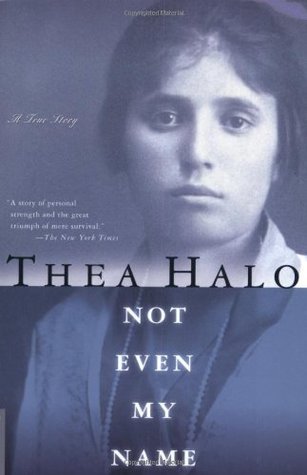
Not Even My Name
Book Description
When the familiar comforts of home shatter into chaos, one woman unearths the harrowing truth of her identity. 'Not Even My Name' spins an unforgettable tale of resilience, as Thea Halo navigates the depths of her family's past, grappling with the legacy of violence and displacement that has haunted generations. With every page, the weight of sorrow and hope intertwines, revealing the unbreakable bonds of love amid the darkest shadows. Will the courage to confront the past empower a journey towards healing, or will the echoes of despair prove too heavy to bear?
Quick Book Summary
"Not Even My Name" is a powerful memoir in which Thea Halo recounts the life story of her mother, Sano (Themia), a Pontic Greek girl who survived the Ottoman Empire's genocide against its Christian minorities during World War I. Halo embarks on a journey to uncover her mother’s past, revealing a tale of survival, loss, and displacement. As Sano endures forced death marches, starvation, and the erasure of her cultural identity, the bond between mother and daughter strengthens as they piece together the family legacy. This narrative not only chronicles a forgotten genocide but also explores the resilience required to overcome trauma and reclaim one's heritage in the shadow of history's atrocities. Through haunting yet hopeful storytelling, Halo ensures Sano's voice and history are not lost to time.



Summary of Key Ideas
Table of Contents
Survival and Resilience Amid Genocide
Thea Halo’s memoir, "Not Even My Name," is anchored in the harrowing journey of her mother, Sano, who as a young Pontic Greek girl survived the ethnic cleansing campaigns of the Ottoman Empire. The book opens with Halo describing her mother’s idyllic childhood in a remote village near the Black Sea, filled with cultural traditions and close family bonds. This innocence is shattered as Sano’s community becomes a target of violent persecution, leading to forced marches and unspeakable brutality. The trauma of displacement and the abrupt severing from her roots set the stage for a lifelong quest to reclaim a stolen identity.
Loss of Identity and Erasure of Culture
As Halo travels with Sano back to the land of her birth, the memoir unfolds as a dual migration—across both geography and memory. Sano recounts the death of loved ones, starvation, and the psychological toll of being stripped of her name and language. Her transformation from Themia to Sano—a name given by strangers—underscores the erasure experienced by survivors of genocide. The narrative poignantly captures the sense of being invisible in the world, haunted by loss but fueled by an indomitable will to survive for the sake of future generations.
Mother-Daughter Bonds Across Generations
Throughout their journey, the evolving mother-daughter relationship becomes a source of strength. Halo carefully preserves Sano’s recollections and confronts difficult truths about silence, intergenerational trauma, and the fractured legacy they have both inherited. Through emotional interviews, shared memories, and revisiting ancestral lands, they stitch together a tapestry of resilience, showing how love and memory can outlast violence and displacement. These intimate exchanges serve as both testimony and healing.
Confronting Historical Injustice
The memoir situates Sano’s personal story within the greater context of historical injustice—the overlooked genocide of the Pontic Greeks, Armenians, and Assyrians during the collapse of the Ottoman Empire. Halo highlights the world’s failure to acknowledge these crimes and the long shadows cast by denial. The narrative is a call to bear witness, drawing attention to the unrecognized suffering of displaced peoples and the importance of historical reckoning for genuine healing to begin.
The Healing Power of Remembrance
Ultimately, "Not Even My Name" is a testament to the resilience of the human spirit. Halo’s tribute to her mother transforms sorrow into hope, illustrating how remembrance can rescue individuals and cultures from oblivion. By reclaiming the narrative that was nearly lost, the memoir affirms the enduring power of stories to heal, empower, and connect. It is a work of heartbreaking empathy and quiet courage that illuminates the necessity of facing the past in order to build a more compassionate future.
Download This Summary
Get a free PDF of this summary instantly — no email required.