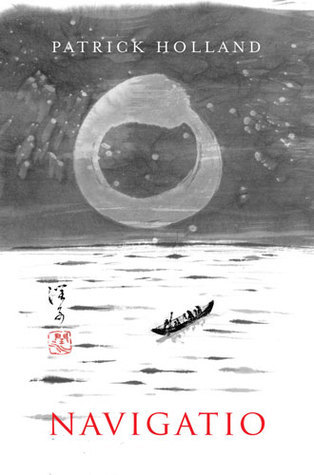
Navigatio
Book Description
Amidst a backdrop of relentless storms and uncharted waters lies a journey of survival and transformation. Bound by ambition, a group of disparate souls embarks on a treacherous voyage that challenges their loyalties, tests their desires, and pushes them to the brink of their own humanity. As alliances shift and secrets surface, the haunting question of what it means to truly navigate the depths of one's heart and soul emerges. Will they forge a new destiny together, or will the tumultuous tides tear them apart? What will they sacrifice to find their way home?
Quick Book Summary
"Navigatio" by Patrick Holland is a sweeping philosophical adventure set amidst the untamed waters surrounding colonial Australia. Centered on a motley group of voyagers thrust together by ambition and circumstance, the novel charts their perilous quest through tempests and uncharted lands in search of both physical and spiritual deliverance. As the journey unfolds, loyalties are tested and buried secrets come to light. Each character’s internal landscape reflects the tumultuous waves they fight to survive, revealing vulnerabilities, ambitions, and the intricate fabric of human connection. Ultimately, "Navigatio" navigates existential questions—what does it mean to seek, to survive, and to belong—against the thrilling backdrop of historical peril, weaving a contemplative tale of transformation, sacrifice, and the search for home.






Summary of Key Ideas
Table of Contents
The Search for Identity and Home
The novel opens with a group of individuals, each driven by different ambitions and haunted by personal histories, setting sail from colonial Australia into the unknown. The voyage is immediately marked by relentless storms and the unnavigated expanse of the sea, reflecting the psychological turmoil of the characters. Early challenges establish a sense of isolation and desperation. Holland introduces the tension between collective survival and individual motives, as the group must decide how much to trust—and depend on—each other in the face of elemental danger.
Survival Amidst Adversity
As the ship journeys further from familiar shores, the harsh conditions and the ever-present threat of disaster reveal hidden facets of each voyager’s character. Betrayals and unexpected acts of heroism arise. Tensions mount as the crew confronts scarcity—which exposes deep-seated resentments, mistrust, and long-hidden secrets. Yet, moments of solidarity also emerge, showing the resilience and adaptability of the human spirit. Holland expertly mirrors external adversity with internal psychological storms, deepening the characters’ struggles.
Shifting Alliances and the Nature of Trust
The novel takes a philosophical turn as the travelers begin to question the meaning of their journey. Trials force them to reflect on what they desire most: safety, redemption, belonging, or self-discovery. Dialogue and introspection probe at the fundamental nature of humanity, challenging the protagonists—and readers—to consider what it means to truly navigate one’s own life. The vast, unpredictable ocean becomes a symbol of the soul’s uncharted territory, and each obstacle transforms into an opportunity for growth or regression.
The Journey as Transformation
As revelations surface and loyalties are fractured by necessity, the crew faces a series of moral and ethical dilemmas. Sacrifice becomes central—not just as a function of survival, but as a means of forging identity and community. The shifting dynamics test the limits of their compassion and ambition, compelling difficult choices about who or what should be saved.
Philosophical Questions of Humanity
In the novel’s closing arc, the survivors emerge from their ordeal profoundly changed by what they have lost and gained. The quest for home transcends a physical destination, becoming a metaphor for self-acceptance and the reconciliation of one’s past. The journey’s end proves ambiguous; not every character survives, nor are all wounds healed, but a fragile hope persists. Holland concludes with a meditation on transformation, belonging, and the enduring mystery of the human voyage.
Download This Summary
Get a free PDF of this summary instantly — no email required.