
Mythology
Book Description
Dive into a world where gods and mortals collide in epic tales of love, betrayal, and divine wrath. Edith Hamilton's 'Mythology' uncovers the gripping yarns of ancient Greece and Rome, where heroes embark on treacherous quests and monsters lurk in the shadows. Experience the thunderous clashes of titans and the subtle heartaches of deities as they navigate their complex relationships and the consequences of their choices. Each story breathes life into timeless lessons and eternal truths that resonate today. What secrets lie hidden in the fabric of these age-old myths, waiting to shape our understanding of the human experience?
Quick Book Summary
Edith Hamilton's "Mythology" serves as a gateway into the ancient myths of Greece and Rome, distilling the vast tradition of storytelling that shaped Western civilization. In accessible prose, Hamilton retells the legends of gods, heroes, and epic adventures, guiding readers through a world where supernatural beings govern fate and reveal the flaws and virtues of humanity. The book explores the origins and personalities of the Olympians, the exploits of legendary heroes like Perseus, Theseus, and Hercules, and the poignant sagas of love and tragedy that define mortal struggles. Through careful selection and retelling, Hamilton captures the timeless allure of myth while illuminating the cultural values and enduring lessons that these stories impart. "Mythology" remains a foundational reference, offering insight into both ancient imagination and the ongoing human search for meaning.


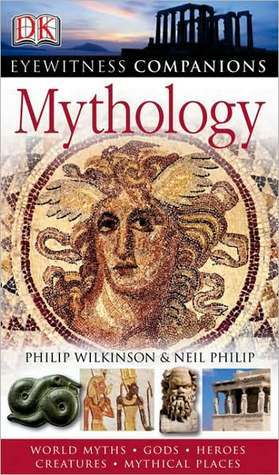
Summary of Key Ideas
Table of Contents
The Nature of the Gods and Their Influence
Edith Hamilton begins by introducing the pantheon of Greek and Roman gods, their origins, and their distinct personalities. The stories emphasize the gods’ power, immortality, and frequent intervention in human affairs, but also their very human traits and emotions. These characteristics make the gods both objects of reverence and sources of drama, shaping the world and the fates of mortals. Hamilton highlights how the stories served both explanatory and moral functions for ancient societies, providing a framework for understanding natural phenomena and human behavior.
Heroic Quests and Human Virtues
Central to "Mythology" are the heroic sagas, in which mortals undertake perilous quests or battles with formidable opponents. Figures like Perseus, Theseus, Jason, and Hercules exemplify bravery, cunning, and endurance. Their journeys often test not only their strength but also their character, reflecting broader themes of virtue and the human struggle for glory and self-discovery. These stories blend the mundane with the fantastical, inviting readers to explore complex views on ambition, loyalty, and the meaning of heroism.
Love, Tragedy, and Mortality
Hamilton dedicates significant attention to myths of love and tragedy, such as the tales of Orpheus and Eurydice, and Pygmalion and Galatea. Through these stories, the book explores the depths of human emotion—passion, grief, and longing—while also revealing the roles of fate and the gods in shaping mortal destiny. Tragedies serve as cautionary tales about hubris, disobedience, and the costs of desire, solidifying the idea that mortals must accept the limitations of their existence.
Monsters, Trials, and the Supernatural
Throughout the anthology, monsters and supernatural trials loom large. From the labyrinthine lair of the Minotaur to the cunning riddles of the Sphinx, these dangers symbolize challenges both external and internal. Hamilton demonstrates how confrontations with the unknown or the uncanny stand as metaphors for personal growth, societal order, and the negotiation between chaos and civilization. Supernatural elements thus enrich the narratives, adding layers of suspense and meaning.
The Role of Myths in Culture and Morality
Finally, Hamilton reflects on the enduring impact of these myths, tracing their influence from their ancient origins to their continued presence in art, literature, and psychology. She unpacks how myths provided ancient peoples with a sense of order and continuity, while also allowing them to grapple with universal questions of life, death, and right conduct. By contextualizing mythology’s past and present significance, Hamilton’s "Mythology" remains a vital resource for understanding the power of storytelling in shaping culture and human experience.
Download This Summary
Get a free PDF of this summary instantly — no email required.