
My Losing Season: A Memoir
Book Description
A single season can change everything. In 'My Losing Season: A Memoir,' Pat Conroy takes readers on a visceral journey through the triumphs and heartbreaks of adolescence, interspersed with memories of a turbulent basketball season that defined his youth. Through the highs of camaraderie, the lows of failure, and the harsh realities of life, he unveils the relentless pursuit of glory and the heavy burden of expectations. Each revelation echoes with raw emotion, questioning the very essence of identity and belonging. What does it truly mean to lose, and how does it shape who we become?
Quick Book Summary
"My Losing Season: A Memoir" by Pat Conroy recounts the pivotal year he spent as the point guard for The Citadel basketball team, a formative yet challenging time marked by more losses than victories. Reflecting on his collegiate senior season in 1966-67, Conroy interweaves experiences on the court with stories from his turbulent upbringing, including his fraught relationship with his father, a harsh military man. Through the lens of adversity, Conroy explores the emotional toll of defeat and the development of resilience, camaraderie, and self-awareness. The book is not just a sports narrative; it’s a meditation on the role of failure in sculpting character, the search for belonging, and the healing power of storytelling.
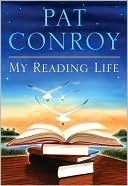



Summary of Key Ideas
Table of Contents
Coming of Age Through Adversity
Pat Conroy’s memoir opens with the setting: The Citadel, a rigorous military college in South Carolina, where young men are shaped by discipline and team sports. Conroy, the point guard during a difficult basketball season, introduces readers to the institution’s culture of toughness and unyielding expectations. He skillfully paints the pressures of adolescence and the desire to earn the respect of coaches, teammates, and his own demanding father. Throughout the narrative, basketball serves as a crucible, forging and testing relationships on and off the court. Conroy recalls both the exhilaration of fleeting victories and the sting of recurring defeat, highlighting how sports can mirror life’s broader struggles and lessons.
The Making and Breaking of Team Bonds
Central to Conroy’s experience is the evolution of team dynamics. As the Citadel Bulldogs endure loss after loss, their shared adversity breeds both friction and solidarity. Conroy delves into the distinct personalities of his teammates and the impact of their embattled coach, Mel Thompson. Together, they navigate the fine line between trust and resentment, pushing each other while also bearing the strain of unmet expectations. The sense of brotherhood built on the hardwood is complicated by moments of discord, but these challenges ultimately form life-long bonds and insights into human connections.
Fathers, Figures, and Forgiveness
A significant thread throughout the memoir is Conroy’s complex relationship with his father, Colonel Donald Conroy. The elder Conroy’s harsh discipline overshadows Pat’s youth, instilling both a fierce competitive drive and a deep well of insecurity. On the court, Pat seeks affirmation and battles internalized doubts seeded by paternal criticism. The memoir relays episodes of humiliation and rebellion, underscoring how the effort to satisfy his father’s high standards propels and, at times, undermines Pat’s sense of self. Reconciling these feelings becomes a central quest, imbuing the memoir with emotional depth.
The Complex Nature of Losing
Rather than glorifying triumph, Conroy fixates on the reality and aftermath of losing. He considers the lessons embedded in defeat—humility, perseverance, and empathy. Each loss strips away illusions, exposing vulnerabilities and forcing the team to wrestle with identity, both individually and collectively. Conroy argues that for many, losing more powerfully shapes character than winning ever could. Through introspective reflection, he questions the American fixation on victory and the potential beauty and necessity found in coming up short.
Memory, Storytelling, and Healing
As an act of recollection, the memoir becomes a tool for healing. By revisiting the emotional terrain of youth, Conroy transforms pain and regret into understanding. He explores the cathartic power of storytelling, turning personal hardship into communal wisdom. "My Losing Season" ultimately emerges as both a confession and a celebration—a recognition that defeat, honestly confronted, can become a profound source of meaning and connection. Through this narrative, Conroy shares not just the story of a basketball season, but a philosophy for facing life’s inevitable setbacks with courage and grace.
Download This Summary
Get a free PDF of this summary instantly — no email required.