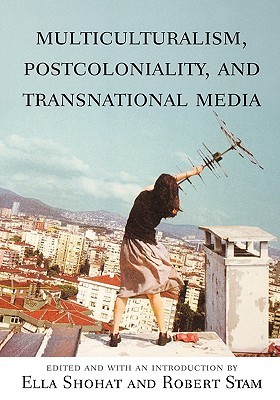
Multiculturalism, Postcoloniality, and Transnational Media
Book Description
Cultural borders are collapsing, and the media is at the forefront of this seismic shift. 'Multiculturalism, Postcoloniality, and Transnational Media' dives deep into the dynamic interplay of identities, narratives, and resistance that shape our global landscape. With gripping insights, Ella Shohat unpacks the power of storytelling in diverse cultures, revealing how transnational media both mirrors and molds our realities. From the legacies of colonialism to the vibrant, ever-evolving tapestry of multicultural expression, this compelling exploration challenges assumptions and ignites conversations. What new worlds can emerge when we embrace a truly interconnected narrative?
Quick Book Summary
"Multiculturalism, Postcoloniality, and Transnational Media" by Ella Shohat explores how global media shapes and is shaped by cultural identity, migration, and historical power dynamics. Shohat examines the legacy of colonialism in contemporary cultural production, unpacking the ways transnational narratives can either reinforce or resist old hierarchies. The book interrogates how multiculturalism operates within a globalized media environment, highlighting tensions between diversity and commodification. Shohat emphasizes the importance of storytelling and representation in challenging stereotypes and forging new solidarities. Through case studies and theoretical insights, she sheds light on how media platforms serve as both battlegrounds and bridges, influencing perceptions, affiliations, and the possibilities of a truly interconnected world.





Summary of Key Ideas
Table of Contents
The Legacy of Colonialism in Media Narratives
Shohat begins by tracing the enduring impact of colonial histories on global media. She analyzes how colonial narratives and images have been recycled in contemporary storytelling, perpetuating stereotypes and power imbalances. The legacy of empire manifests in both visible and subtle ways, from casting decisions in film to the framing of news stories. By interrogating these traces, Shohat invites readers to recognize how history undergirds current media practices and shapes the narratives that circulate across borders.
Multiculturalism and the Commodification of Diversity
Next, the book explores multiculturalism within the media context. Shohat discusses how the rhetoric of diversity often becomes commodified, turning cultural differences into marketable products while ignoring genuine equity or anti-racist efforts. She critiques the superficial celebration of multicultural imagery in film, television, and advertising, emphasizing that the fetishization of difference can sometimes reinforce exoticism rather than dismantle hierarchical structures. True multiculturalism, Shohat argues, requires critical engagement with power and representation.
Transnational Media: Global Flows and Identity Formation
The discussion then turns to transnational media and the flow of culture and people. Global migrations and digital technologies have transformed how identities are shaped and expressed. Shohat investigates how transnational media productions foster hybrid identities, cross-cultural collaborations, and complex affiliations. However, these flows are never neutral; economic inequality and political agendas continue to dictate which stories are told and who gets to speak. This section highlights the opportunities and challenges of an interconnected media landscape.
Storytelling as Resistance and Solidarity
Central to Shohat's thesis is the power of storytelling as both resistance and solidarity. She examines case studies where marginalized groups employ media to challenge dominant narratives, reclaim their voices, and build new forms of community. Examples include diasporic cinema, independent journalism, and activist media projects that subvert mainstream tropes and promote social justice. By foregrounding these efforts, Shohat demonstrates the transformative role of creative expression in forging new worlds.
Negotiating Cultural Representation in a Globalized World
Finally, the book tackles the negotiation of cultural representation in a globalized world. Shohat urges both creators and audiences to approach media with critical literacy, recognizing how stories circulate and for whom they are produced. She calls for ongoing dialogue and ethical responsibility in constructing and consuming media, advocating for practices that promote genuine inclusivity and empathy. Through this, Shohat envisions a media landscape where diversity is celebrated not as a commodity but as a catalyst for collective growth and understanding.
Download This Summary
Get a free PDF of this summary instantly — no email required.