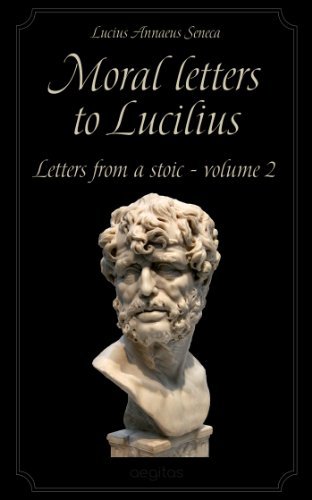
Moral Letters to Lucilius Volume 2
Book Description
Wisdom awaits in the timeless echoes of ancient philosophy, where each letter dares to challenge the very fabric of the human soul. In 'Moral Letters to Lucilius Volume 2', Seneca plunges into the depths of friendship, virtue, and the relentless pursuit of inner peace. Each page crackles with insight, deftly maneuvering through life's trials and tribulations. Embrace the urgency of the moment, as fleeting pleasures clash with enduring values, inviting a profound dialogue on existence and morality. Can true happiness be forged from suffering, and is the quest for virtue worth the struggle? Every thought ignites a spark—will it light your path?
Quick Book Summary
"Moral Letters to Lucilius Volume 2" continues Seneca’s profound correspondence with his friend Lucilius, diving deeper into the pressing and perennial questions of human morality and fulfillment. Seneca, in his direct and contemplative Stoic style, challenges readers to reflect on the meaning of friendship, the cultivation of virtue, and the art of living with serenity amidst external chaos. He explores the transient nature of pleasure and pain, the enduring value of character, and the importance of self-mastery. Throughout, Seneca offers practical guidance and philosophical meditations to help one achieve inner tranquility and genuine happiness. By addressing issues such as resilience in adversity and the pursuit of wisdom, these letters resonate as both personal counsel and universal philosophy, inviting readers to shape a life anchored in reason, virtue, and purpose.




Summary of Key Ideas
Table of Contents
The Nature and Value of True Friendship
Seneca delves into the profound significance of friendship, arguing that genuine bonds are formed through shared values and mutual moral support rather than convenience or flattery. He cautions against superficial alliances that distract from the development of true character, emphasizing that authentic friendship both challenges and uplifts the soul. Such relationships, Seneca asserts, act as mirrors that reflect our virtues and shortcomings, enabling growth toward wisdom and ethical living.
Pursuing Virtue Over Pleasure
Throughout the letters, the pursuit of virtue emerges as the ultimate goal, surpassing fleeting pleasures or material possessions. Seneca warns against the emptiness of hedonistic pursuits, reminding Lucilius that pleasure, when divorced from virtue, leads to restlessness and dissatisfaction. By focusing on the cultivation of moral character and rational thought, individuals can secure a deeper, more lasting sense of fulfillment, ultimately aligning themselves with the cosmic order and the demands of reason.
Achieving Tranquility Through Self-Mastery
Seneca’s Stoic advice frequently centers on achieving tranquility, not by controlling external events, but by mastering one’s own responses and desires. He urges Lucilius to practice self-control, mindfulness, and detachment, cultivating an inner fortress resilient against the vicissitudes of fortune. By learning to differentiate what we can and cannot influence, Seneca believes we attain equanimity and freedom from unnecessary turmoil, empowering us to live with greater purpose and clarity.
Embracing Suffering as a Path to Growth
Addressing the inevitability of hardship, Seneca proposes that suffering, rather than detracting from happiness, can serve as a crucible for personal growth. Adversity presents opportunities to exercise fortitude, patience, and perseverance, strengthening the mind and refining the spirit. He encourages Lucilius to embrace challenges as necessary tests, teaching that endurance and courage developed through trials are prerequisites to genuine self-knowledge and inner peace.
Resilience Amidst Life’s Uncertainties
Finally, Seneca outlines a philosophy of resilience, extolling the importance of adaptability and reflection in the face of life’s uncertainties. With characteristic Stoic wisdom, he instructs Lucilius to prepare for the unpredictability of fate by internalizing core principles and practicing gratitude. In doing so, individuals can weather setbacks with dignity, find meaning in all circumstances, and continue on the path to wisdom and serenity.
Download This Summary
Get a free PDF of this summary instantly — no email required.