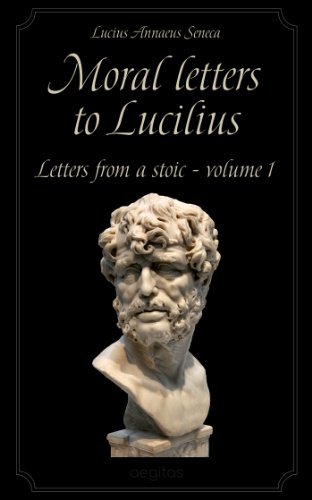
Moral Letters to Lucilius Volume 1
Book Description
Wisdom waits in the shadows, ready to transform the ordinary into the extraordinary. In "Moral Letters to Lucilius Volume 1," Seneca delves into the heart of human struggle, offering piercing insights on virtue, friendship, and the art of living well. Each letter pulses with urgency and timeless relevance, challenging readers to confront their own moral compass amid life's chaos. As friendship deepens through the written word, philosophical revelations spark like lightning, illuminating the path to inner peace. Can a simple letter change the course of one’s journey?
Quick Book Summary
"Moral Letters to Lucilius Volume 1" is a collection of philosophical letters written by Seneca, a Stoic philosopher, to his friend Lucilius. Through these letters, Seneca explores profound questions about virtue, the nature of friendship, the cultivation of wisdom, and the pursuit of a life well-lived. Each letter distills practical Stoic thinking into everyday advice, encouraging self-examination and mindful living. Seneca emphasizes controlling one's desires, embracing hardships as opportunities for growth, and maintaining tranquility amid external chaos. The letters blend personal advice, philosophical reflection, and moral guidance, making them as relevant today as in ancient Rome. Readers are invited to reflect on their values, recognize the fleeting nature of time, and strive for inner independence through reason and virtue.




Summary of Key Ideas
Table of Contents
The Nature and Practice of Virtue
Seneca’s letters begin with an exploration into the true nature of virtue. He posits that living virtuously is the foundation of a meaningful life and is achieved not through blind adherence to rules but through the application of reason and self-mastery. Seneca challenges Lucilius to seek wisdom, not as a distant ideal but as a daily practice. Virtue is cultivated by constant self-examination, honesty, and integrity in all actions. He describes virtue as the only true good, independent of fortune or status, and asserts that by aligning one’s actions with reason, one gains authentic freedom and self-respect.
The Value of Friendship and Human Connection
Throughout the letters, Seneca underscores the significance of friendship and meaningful human connection. He describes friendships as partnerships rooted in mutual respect, virtue, and the desire for reciprocal moral improvement. True friends, in Seneca’s view, are rare and invaluable, supporting each other’s growth and facing adversity as one. Letters themselves become a medium for Seneca to connect deeply with Lucilius, showing that the strengthening of character is a shared journey. He warns against superficial relationships based on utility or pleasure, advocating for bonds that nurture the soul.
Mastering Desires and Passions
A central preoccupation in the letters is the mastery of desires and passions. Seneca argues that people are often ruled by unnecessary wants, fears, and external circumstances, which leads to anxiety and discontent. He teaches the importance of self-discipline and moderation, encouraging Lucilius to examine every desire and curb those that are rootless or excessive. By reigning in passions, cultivating gratitude, and embracing a life of simplicity, Seneca argues, one can approach tranquility and contentment.
Facing Adversity and Embracing Hardships
The letters frequently return to the Stoic concept of facing adversity. Seneca frames hardships not as misfortunes but as essential tests of character and opportunities for inner growth. He encourages Lucilius to meet challenges with courage and equanimity, viewing them as occasions to practice resilience and strengthen virtue. Suffering, illness, loss, and even death are confronted philosophically, with the belief that one’s response to misfortune matters more than the event itself. This mindset fosters a calm acceptance of fate and empowers individuals to withstand life’s unpredictability.
Living with Mindfulness and Acceptance
Finally, Seneca highlights the importance of mindfulness and acceptance. He urges Lucilius to seize the present moment, reminding him of the transience of life and the inevitability of death. Seneca’s philosophy is deeply practical: he encourages readers to align actions with values, live authentically, and accept what cannot be changed. This existential awareness, paired with daily gratitude, liberates one from regret and anxiety about the future. The letters ultimately guide readers towards a state of peaceful self-sufficiency and joy rooted in wisdom.
Download This Summary
Get a free PDF of this summary instantly — no email required.