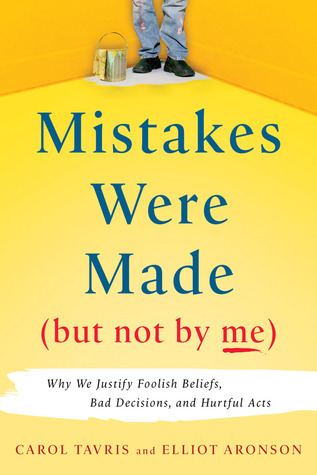
Mistakes Were Made (But Not by Me): Why We Justify Foolish Beliefs, Bad Decisions, and Hurtful Acts
Book Description
What if the biggest threat to your beliefs isn’t an external force, but the inner workings of your own mind? In *Mistakes Were Made (But Not by Me)*, Carol Tavris exposes the gripping dance of self-justification that leads us to cling to foolish beliefs and make devastating choices. Through compelling examples and sharp insights, Tavris unveils how denial and rationalization can bind us, even as we harm ourselves and others. Prepare to question everything you think you know about accountability and morality. When the truth confronts the comfort of our excuses, will we dare to face it?
Quick Book Summary
"Mistakes Were Made (But Not by Me)" by Carol Tavris delves into the psychological mechanisms that cause ordinary people to rationalize their actions, avoid accountability, and persist in self-deception. The book explores the concept of cognitive dissonance, the discomfort we feel when our beliefs, actions, or self-image clash, and shows how self-justification enables us to minimize this discomfort—often at a great cost. Through vivid examples from politics, relationships, law, and history, Tavris illustrates how individuals justify mistakes, ignore evidence, and blame others. Ultimately, she argues that recognizing our tendency to self-justify is essential for personal growth, healthier relationships, and more ethical societies. The book is both a warning and a hopeful guide to facing our faults honestly.




Summary of Key Ideas
Table of Contents
The Mechanics of Self-Justification and Cognitive Dissonance
At the core of the book is the concept of cognitive dissonance—the psychological tension that arises when we hold two incompatible beliefs or when our actions conflict with our self-image. To relieve this discomfort, people engage in self-justification, inventing rationalizations to excuse their mistakes and actions. Tavris presents numerous studies highlighting how easily the mind constructs these defenses and why most people remain oblivious to their impact. Understanding these mental gymnastics helps explain why acknowledging errors is so difficult yet crucial for growth.
The Dangers of Denial and Rationalization
The book demonstrates how denial and rationalization function as defense mechanisms, insulating individuals from uncomfortable truths about themselves. These patterns of thinking allow people to reinterpret facts, minimize evidence, and rewrite the narrative of past events. Whether in personal relationships or the public sphere, these strategies can escalate conflict, enable ongoing harm, and perpetuate cycles of misunderstanding and mistrust. Tavris emphasizes that unchecked self-justification impedes learning from mistakes and deepens individual and collective divides.
Self-Justification in Relationships and Institutions
Mistakes and their rationalizations infiltrate institutions as well as personal lives. Tavris discusses how police, lawyers, politicians, and even scientists rationalize wrongful acts, shielding themselves from blame or legal consequences. This institutionalized self-justification perpetuates injustices, such as wrongful convictions or unethical policies, by making it nearly impossible for organizations or leaders to admit fault. Recognizing these patterns on the societal level is vital to addressing systemic issues and fostering environments where accountability can take root.
Consequences of Avoiding Responsibility
Failure to admit mistakes and take responsibility often leads to significant personal and societal costs. Tavris examines how relationships deteriorate when partners justify hurtful actions, workplaces are poisoned by defensiveness, and justice systems fail to correct errors. The costs are not only emotional—chronic self-justification can perpetuate social inequality, waste resources, and uphold destructive policies. Acknowledging the harm brought by avoidance and denial is the first step toward building more honest and ethical environments.
Pathways to Accountability and Change
Tavris closes with practical advice and hope: real change begins with an honest willingness to confront our mistakes and biases. She highlights the value of humility, curiosity, and systems that encourage accountability. By fostering a culture of learning rather than blame—and by modeling self-reflection ourselves—we can break the cycle of self-justification. Although facing uncomfortable truths is challenging, it opens the door to genuine growth, stronger relationships, and more just societies.
Download This Summary
Get a free PDF of this summary instantly — no email required.