
Miss Lonelyhearts / The Day of the Locust
Book Description
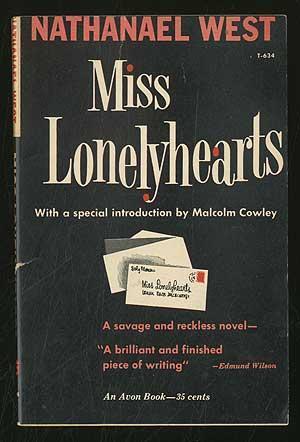
Amid the glitzy veneer of 1930s Hollywood lies a seedy underbelly of shattered dreams and desperate souls. 'Miss Lonelyhearts' captures the heart-wrenching struggles of a newspaper columnist overwhelmed by the whirlpool of human despair, while 'The Day of the Locust' unravels the dark allure of fame, spotlighting a chaotic cast of aspiring actors and disillusioned drifters yearning for a taste of success. As desperation clashes with ambition, characters wrestle with their haunting realities, spiraling into madness and violence. In a world where hope is a fleeting illusion, what lengths will they go to grasp their dreams?
Quick Book Summary
"Miss Lonelyhearts / The Day of the Locust" combines two of Nathanael West's most compelling works, each exposing the grim underside of American dreams during the 1930s. In "Miss Lonelyhearts," an advice columnist becomes overwhelmed by the suffering expressed in desperate letters from readers. Consumed by cynicism and despair, he struggles to find hope or redemption in a broken world. "The Day of the Locust" shifts focus to Hollywood, where aspiring actors, artists, and wanderers arrive chasing fame but instead encounter disillusionment and grotesque realities. Through biting satire and vivid prose, West dismantles the illusions of success, revealing a society teetering on the edge of madness. Both stories present characters who grapple with inner turmoil, showing the dangers lurking beneath superficial glamour and collective yearning.




Summary of Key Ideas
Table of Contents
The Desperation Behind the American Dream
In "Miss Lonelyhearts," Nathanael West presents the plight of a New York newspaper columnist tasked with responding to readers’ desperate pleas for comfort. Adopting the persona “Miss Lonelyhearts,” the character is bombarded with letters revealing a torrent of suffering and hopelessness. Struggling under the weight of this collected despair, he turns to religion, romance, and escapism, yet finds no genuine solace. The letters expose the emotional and economic misery of 1930s America, driving the protagonist toward cynicism and ultimately, tragedy.
Alienation and Spiritual Crisis
Transitioning from the somber isolation of New York to the chaotic sprawl of Los Angeles, "The Day of the Locust" examines the broken dreams of those drawn by Hollywood’s lure. West populates the story with a cast of misfits, from Tod Hackett, a talented but alienated artist, to Faye Greener, an aspiring actress, and Homer Simpson, a socially awkward outsider. Each character yearns for success or escape, but their ambitions are thwarted by an unforgiving world that preys on vulnerability. Their collective failure breeds resentment and violence, reflecting societal unrest under the glitzy surface.
The Illusion of Glamour and Success
Both novels probe the methods people use to cope with disillusionment. In "Miss Lonelyhearts," the protagonist’s attempts at salvation—through faith, physical pleasure, and professional detachment—prove ineffective, demonstrating the suffocating nature of urban despair. Meanwhile, "The Day of the Locust" satirizes Hollywood’s ability to manufacture not only dreams but also crushing disappointment. The characters’ inability to achieve meaningful connections or fulfillment speaks to broader themes of alienation and spiritual crisis pervading 1930s American society.
Violence and Social Collapse
West employs biting satire and dark humor to critique the American obsession with fame and happiness. The grotesque situations and characters—exaggerated yet hauntingly believable—underscore the absurdity of placing hope in hollow ideals. Violence erupts in both stories as a natural, though disturbing, response to frustration, culminating in chaos that dismantles any remaining illusions about hope or redemption.
Satire and Dark Humor
Through these two intertwined works, West exposes the fragility of the American dream when confronted by reality. He depicts a world in which yearning for something more only widens the gulf between expectation and truth. The novels endure as scathing, prescient meditations on societal breakdown, psychological anguish, and the dangers of confusing fantasy with attainable happiness.
Download This Summary
Get a free PDF of this summary instantly — no email required.