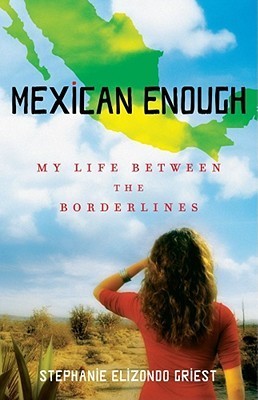
Mexican Enough: My Life between the Borderlines
Book Description
What does it mean to belong when your identity straddles two worlds? In "Mexican Enough: My Life between the Borderlines," Stephanie Elizondo Griest plunges into the vibrant chaos of her dual heritage, navigating the fierce terrain of culture, family, and the ever-looming question of authenticity. Her journey unfolds against the backdrop of a border that is both a barrier and a bridge, revealing the rich tapestry of experiences that shape who she is. As she confronts societal expectations and personal dilemmas, an urgent question emerges: Can one ever truly find home when caught between two identities?
Quick Book Summary
"Mexican Enough: My Life between the Borderlines" follows Stephanie Elizondo Griest as she grapples with the nuances of her Mexican-American identity. Torn between her American upbringing in Texas and her Mexican heritage, Griest sets out on a journey through Mexico to explore her roots, examining issues of language, belonging, family expectations, and cultural norms. Through vivid personal anecdotes and sharp cultural insight, she confronts the complexities of authenticity and the push-pull dynamics of inhabiting two worlds. Her narrative unpacks the challenge of being "enough" for either identity, highlighting both the isolation and richness that come from living between borderlines. The memoir offers a moving and honest portrait of identity formation in a multicultural world.


Summary of Key Ideas
Table of Contents
The Complexity of Bicultural Identity
Born and raised in Texas, Stephanie Elizondo Griest came of age feeling perpetually suspended between her Mexican and American identities. Wrestling with the feeling that she was not "Mexican enough"—because of her lack of Spanish fluency, certain customs, or physical appearance—she embarks on a journey of discovery. She travels through Mexico, seeking experiences that might connect her more deeply to her heritage, and engaging with her extended family and the broader culture.
The Meaning of Home and Belonging
Along Griest’s journey, the concept of home is continually interrogated. Her travels take her from bustling cities to small rural towns, yet she often remains an outsider, never fully at ease in either Mexico or the U.S. Through these experiences, she explores what it means to belong—whether belonging can be chosen, inherited, or even fully achieved. The physical border between the U.S. and Mexico serves as a constant metaphor for the internal boundaries she navigates in search of herself.
Family Expectations and Cultural Traditions
Family and cultural traditions play a significant role in Griest's self-understanding. At home, she faces the pressures of fulfilling her family's expectations, maintaining traditions, and staying true to her cultural roots. Yet, in Mexico, her Americanisms stand out. She discovers that forging one’s identity is a process of reconciling familial and cultural legacies with personal aspirations and experiences.
Confronting Stereotypes and Authenticity
Throughout her memoir, Griest is confronted by societal stereotypes and questions of authenticity. She reflects on the ways in which both communities—Mexican and American—police the boundaries of "enoughness," often questioning her credibility or sense of legitimacy. Her stories illustrate the pain and humor found in these moments, revealing how expectations about language, appearance, and loyalty shape the borders of identity.
Crossing Physical and Emotional Borders
Ultimately, "Mexican Enough" is as much about crossing emotional borders as it is about literal ones. Griest’s journey highlights the internal struggles of those with blended identities and the beauty that resides in complexity. Through candid storytelling, she demonstrates that identity is less about fulfilling a checklist and more about embracing ambiguity, empathy, and the possibility of forging new understandings of home and self.
Download This Summary
Get a free PDF of this summary instantly — no email required.