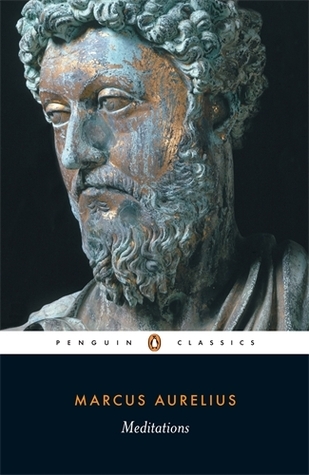
Meditations
Book Description
Amidst the chaos of a crumbling empire, a stoic ruler grapples with the weight of power, mortality, and the relentless pursuit of virtue. 'Meditations' unveils the raw reflections of Marcus Aurelius as he wrestles with inner turmoil, facing external threats and personal doubts. Each entry is a window into a mind striving for clarity and purpose in a turbulent world. Discover profound insights on resilience, mindfulness, and the nature of existence, transforming every setback into a lesson. Can wisdom found in tranquility conquer the storm of life and elevate the human spirit?
Quick Book Summary
"Meditations" by Marcus Aurelius, a Roman emperor and one of history's most influential Stoic philosophers, is a collection of personal reflections written as guidance for himself. Rather than an academic treatise, it is a private journal where Aurelius grapples with the challenges of power, impermanence, and personal integrity against the backdrop of an unsettled empire. He explores the value of introspection, emotional resilience, and ethical conduct, seeking tranquility and wisdom amid chaos. The work offers timeless insights on coping with adversity, striving for virtue, and understanding one’s place in the greater order of nature. Through practical advice and honest self-examination, "Meditations" continues to inspire readers to cultivate clarity, self-discipline, and purpose in the pursuit of a good life.


Summary of Key Ideas
Table of Contents
Accepting the Transience of Life
Marcus Aurelius frames his guidance around accepting the impermanence of life, reminding himself repeatedly that all things—including power, pleasure, and pain—are fleeting. By embracing the natural cycles of existence, he encourages detachment from desires and fears, helping readers recognize that suffering arises from resisting what is beyond one’s control. This acceptance fosters peace amidst uncertainty, empowering individuals to focus on what truly matters: living in accordance with reason and virtue.
Practicing Inner Discipline and Virtue
Aurelius is relentless in emphasizing the importance of inner discipline and the cultivation of virtue. He sees the mind as a fortress that can remain untouched by external events if one maintains self-control and rational judgment. Echoing the core of Stoic thought, he urges the reader to act with justice, courage, temperance, and wisdom. By practicing self-restraint, resisting anger and impulse, and prioritizing moral character over fleeting successes, one can achieve a sense of enduring fulfillment.
Responding to Adversity with Equanimity
Adversity is a recurring theme in "Meditations". Aurelius confronts betrayal, loss, and the burdens of leadership, yet views hardship as an opportunity for growth. He encourages reframing misfortune as material for developing resilience and virtue. By responding to external challenges with calm, fairness, and perspective, one is not broken by misfortune but shaped by it, learning to place value on what is within one’s control—attitudes and actions—while releasing the rest.
Recognizing the Interconnectedness of Humanity
Aurelius holds a deep awareness of the fundamental interconnectedness of humanity and nature. He writes about the shared human condition and the common bond that links all people. In recognizing this, he advocates for compassion, empathy, and cooperation, urging readers to act for the common good rather than out of self-interest. He also encourages gratitude for existence itself, seeing every moment as an opportunity to contribute positively to the world.
Cultivating Mindfulness and Self-Reflection
Central to the work is a call to mindfulness and ongoing self-reflection. Aurelius writes to himself as a means of clarifying his thoughts and motives, encouraging readers to engage in similar inner dialogue. This self-examination is not just introspection, but an active effort to align one’s actions with one’s values, correct faults, and maintain focus on the present moment. Ultimately, "Meditations" is a guide for harnessing clarity, stability, and purpose in a world defined by uncertainty.
Download This Summary
Get a free PDF of this summary instantly — no email required.