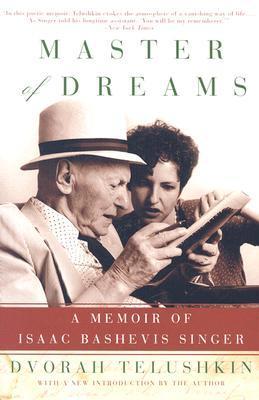
Master of Dreams: A Memoir of Isaac Bashevis Singer
Book Description
Lost in the shadows of his own dreams, the legendary Isaac Bashevis Singer wove tales that danced between reality and the fantastical. In "Master of Dreams," Dvorah Telushkin reveals the untold struggles of a literary genius who transformed personal pain into timeless stories. With vivid anecdotes and heartfelt reflections, this gripping memoir pulsates with the pulse of a vibrant Jewish culture steeped in history, love, and loss. As Singer navigates the turbulent waters of exile, fame, and the search for meaning, one question lingers: What will he sacrifice to keep his dreams alive in a world determined to silence them?
Quick Book Summary
"Master of Dreams: A Memoir of Isaac Bashevis Singer" by Dvorah Telushkin is an evocative exploration of Singer’s life, unveiling the complexities behind the celebrated writer’s art. Telushkin paints a portrait of a man whose internal struggles—exile, loneliness, creative doubt, and the heavy legacy of his Jewish heritage—deeply influenced his storytelling. The memoir draws from personal encounters, showing Singer as both tormented and mischievous, endlessly devoted to his craft yet haunted by the world he left behind. Through anecdotes and introspective musings, the book illuminates how Singer transformed pain and nostalgia into literary masterpieces while wrestling with the demands of fame and the quest for spiritual meaning. As this master of dreams navigates love, isolation, and the chasm between old-world Yiddish culture and modern America, Telushkin uncovers the sacrifices Singer made to keep his art alive in the face of adversity and skepticism.



Summary of Key Ideas
Table of Contents
Transformation of Pain into Art
Dvorah Telushkin's memoir opens with an intimate portrayal of Singer’s early years and the formative experiences that shaped his literary vision. Drawing on vivid childhood memories, Singer is cast as a dreamer deeply affected by the turbulence of prewar Eastern Europe and the weight of his rabbinical family's expectations. His struggle to reconcile tradition with personal ambition laid the groundwork for his lifelong fascination with the tension between reality and fantasy, sorrow and hope. These early chapters reveal how exile from Poland left an indelible mark on Singer’s psyche and narrative voice, setting the stage for recurring themes of longing and displacement in his writing.
Life in Exile and Cultural Displacement
As Singer adjusts to life in America, Telushkin explores the immigrant experience and the profound sense of cultural dislocation. She delves into Singer’s ambivalence—his yearning for the Yiddish world he lost and the opportunities and challenges of forging a new literary identity in a foreign land. The memoir details his battles with poverty, language barriers, and the skepticism of American publishers resistant to Yiddish literature. Despite these hardships, Singer’s resilience and unwavering dedication to storytelling allow him to carve a unique niche, blending old-world folklore with modern existential questions.
Struggles with Fame and Recognition
Recognition and literary acclaim bring Singer professional success, but Telushkin reveals the personal costs that accompany fame. Despite winning the Nobel Prize, Singer often felt misunderstood, both within mainstream literary circles and among fellow Yiddish writers. The pressure to represent a vanishing culture weighed heavily, as did the conflicts between his public persona and private insecurities. Telushkin recounts Singer’s dynamic relationships—with family, friends, and admirers—that exposed both his charm and his complicated, sometimes reclusive nature.
The Persistent Search for Meaning
Throughout the memoir, Telushkin reflects on Singer’s ceaseless quest for meaning, threading together philosophical musings, religious doubt, and mystical curiosity. Singer’s devotion to dreams—both literal and symbolic—emerges as his way of bridging the chasm between the spiritual and material worlds. His stories draw deeply from the folklore of his youth, but he continually interrogates the boundaries of faith, destiny, and individual agency, inviting readers to ponder their own role in the tapestry of existence.
Legacy and the Power of Storytelling
In the final sections, Telushkin examines Singer’s enduring legacy: his commitment to capturing the voices and dreams of a lost generation, and his ability to forge universal truths from personal sorrow. By tracing the sacrifices Singer made for his art, the memoir underscores the power of storytelling to preserve culture, affirm identity, and awaken empathy. "Master of Dreams" ultimately stands as both an ode to creative resilience and a testament to the redemptive power of narrative amid history’s upheavals.
Download This Summary
Get a free PDF of this summary instantly — no email required.