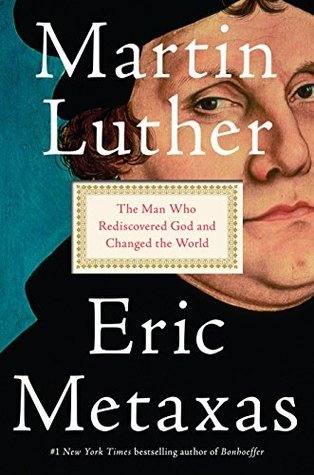
Martin Luther: The Man Who Rediscovered God and Changed the World
Book Description
A thunderstorm rumbles as a lone monk ignites a spiritual revolution that will change the course of history. 'Martin Luther: The Man Who Rediscovered God and Changed the World' unveils the fierce battle between faith and power, as Luther challenges a corrupt church and takes a stand for truth against overwhelming odds. His daring acts of defiance and passionate beliefs resonate through the ages, inspiring legions to question authority and seek genuine faith. Witness the drama, the struggle, and the triumph that reshaped Christianity forever. Are you ready to discover the man who dared to dream of a world transformed?
Quick Book Summary
"Martin Luther: The Man Who Rediscovered God and Changed the World" by Eric Metaxas presents the dramatic story of the transformative figure whose resolve and faith sparked the Protestant Reformation. Metaxas vividly traces Luther’s journey from an anxious monk to an audacious reformer who stood up against the abuses of the Catholic Church. Through searing personal conviction, Luther translated the Bible into German, posted his 95 Theses, and dared to challenge the prevailing religious order. The book explores Luther’s enduring legacy, highlighting how his spiritual struggle for truth and reconciliation with God inspired generations to embrace faith over empty ritual and to question entrenched authority. Metaxas intertwines historical narrative with theological insights, creating a compelling portrait of a man who forever altered the landscape of Christianity and Western civilization.





Summary of Key Ideas
Table of Contents
Luther’s Inner Spiritual Crisis and Pursuit of Truth
Martin Luther’s story begins in the social and religious turbulence of late medieval Europe, where the Catholic Church wielded immense power. As a devout young monk, Luther battled intense inner turmoil, plagued by doubts about his own salvation and the Church’s practices. Through relentless prayer and scripture study, he gradually realized that righteousness came through faith, not by works or indulgences, which contradicted the Church’s teachings. This personal spiritual awakening propelled Luther toward deeper theological inquiry and a desire for reform.
Confronting Corruption and Defiance of Authority
Driven by his convictions, Luther publicly challenged the Church's authority in 1517 by posting the 95 Theses on the door of Wittenberg Castle Church. He decried the sale of indulgences and corruption within the hierarchy, insisting that forgiveness could not be bought. Confronted by powerful adversaries, including the Pope and the Holy Roman Emperor, Luther faced excommunication and threats to his life. Despite these dangers, his refusal to recant at the Diet of Worms made him a symbol of moral courage against institutional power.
Unleashing the Power of the Printed Word
Luther harnessed the new technology of the printing press, enabling his writings to spread rapidly across Europe. By translating the Bible into German, he democratized access to scripture, empowering ordinary people to read and interpret God’s word for themselves. Through pamphlets, hymns, and sermons, Luther ignited widespread debate and inspired a movement that shattered centuries-old religious monopolies, planting the seeds of modern religious freedom.
Transforming Faith and the Individual’s Relationship with God
Central to Luther’s legacy is his emphasis on a direct relationship between the individual and God. Rejecting elaborate rituals and clerical intercession, he advocated justification by faith alone. His theology emphasized the priesthood of all believers, transforming worship and personal devotion. This radical shift made Christianity more personal and accessible, reshaping religious life for millions.
Enduring Impact on Society and Western Thought
The repercussions of Luther’s actions rippled far beyond theology. His courage ignited revolutions in education, politics, and culture, challenging citizens to question authority and seek truth. Eric Metaxas concludes by illustrating how Luther’s blend of faith, conscience, and conviction reshaped not only Christianity but the course of Western civilization, laying a foundation for religious pluralism, individual rights, and freedom of conscience still relevant today.
Download This Summary
Get a free PDF of this summary instantly — no email required.