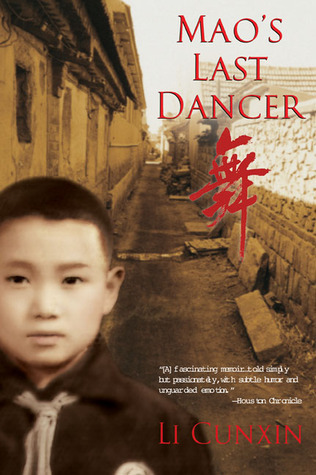
Mao's Last Dancer
Book Description
A boy from a remote Chinese village dares to dream beyond the bamboo curtain. With raw talent and unyielding determination, he embarks on a perilous journey to become a world-renowned ballet dancer. Along the way, he faces ruthless competition, cultural clashes, and the haunting shadows of his past. As he navigates the treacherous waters of ambition and identity, the stakes rise—will the light of fame outshine the darkness of sacrifice? Experience the breathtaking ascent of a star forged in adversity. What price will he pay for the dance of his life?
Quick Book Summary
"Mao's Last Dancer" by Li Cunxin is an inspiring memoir charting the journey of a young boy from rural China who rises to international fame as a ballet dancer. Growing up in deep poverty during Mao Zedong's Cultural Revolution, Li is unexpectedly chosen to train at Beijing’s prestigious Dance Academy. The rigorous training, political indoctrination, and homesickness test his resolve, yet Li's passion and determination never waver. A life-changing opportunity to study in the United States exposes him to new freedoms and ideas, causing personal and ideological upheaval. His eventual defection is fraught with danger and loss, but also brings self-fulfillment and opportunity. Li’s story is one of resilience, hope, and the transformative power of art in overcoming adversity.




Summary of Key Ideas
Table of Contents
Transcending poverty through discipline and art
Li Cunxin’s early life is marked by overwhelming poverty in a remote Chinese village. Born into a large family during tumultuous times, he learns resilience and endurance from his parents. The family's struggles are a backdrop to his formative years, instilling in him a strong work ethic and a deep bond with his loved ones. His dreams seem unattainable until Chinese officials visit his school, searching for talent to serve the state, setting his journey in motion.
The impact of political ideology on personal aspirations
At the Beijing Dance Academy, Li faces grueling physical demands and strict discipline, compounded by daily political indoctrination. The pressure is intense; students are reminded their training serves Mao and the motherland. While many falter, Li’s commitment to his craft grows, inspired by teachers who recognize his potential. Despite the isolation and homesickness, he forges friendships and learns to harness both mind and body, finding solace in the artistry of ballet even under authoritarian rule.
Cultural conflict and adaptation
Li’s world expands dramatically when he is selected to study with the Houston Ballet in America. He is confronted with a radically different society and artistic environment, challenging his belief system shaped by Communist China. The freedom, abundance, and warmth he experiences contrast sharply with his previous life, triggering internal conflict between loyalty to his homeland and attraction to the opportunities of the West. Personal relationships deepen this crisis, particularly his romance with an American dancer.
Personal sacrifice for freedom and self-identity
The pivotal moment arrives as Li chooses to stay in America, risking everything for a life he never dared imagine. The defection causes international outrage and personal anguish, including estrangement from his family in China. However, this bold act enables him to express himself more fully, both personally and artistically. He navigates the complexities of a new identity, balancing gratitude for his roots with growth in his adopted homeland.
The enduring influence of family and heritage
Ultimately, Li’s journey is a testament to hope and perseverance. His ascent to international stardom is not just the story of dance, but a powerful narrative about transcending limitations—both those imposed by society and those within. The influence of his family and culture remains central, shaping his values and perspective throughout his life. "Mao’s Last Dancer" closes with a celebration of art’s capacity to bridge worlds and the enduring power of the human spirit.
Download This Summary
Get a free PDF of this summary instantly — no email required.