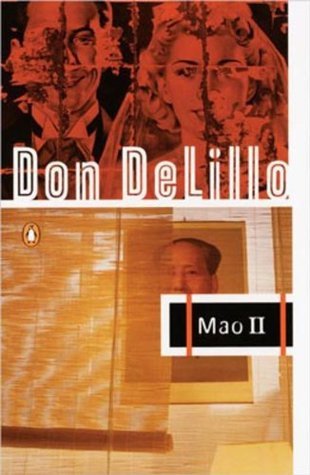
Mao II
Book Description
A reclusive novelist, a radical cleric, and a chilling image of terrorism collide in a world where words wield devastating power. As the grip of a chaotic global landscape tightens, characters wrestle with faith, fame, and the haunting weight of creation. Each page crackles with tension as ideologies clash and fears surface, revealing the fragility of belief in a media-saturated age. Shadows of apocalypse loom, yet hope flickers in unexpected places. In the heart of a society on the brink, where do the lines blur between artist and revolutionary? Can one voice change the world, or will it drown in the silence of indifference?
Quick Book Summary
"Mao II" by Don DeLillo explores the shifting power dynamics between literature, terrorism, and media in the late 20th century. The novel centers on Bill Gray, a reclusive novelist who is pulled from his isolation into the chaotic and unpredictable world of global conflict. Through Gray's journey, DeLillo examines how mass movements and collective ideologies threaten to usurp the novelist's once-revered influence over public consciousness. The story weaves together the personal struggles of faith, creativity, and relevance with larger questions about the role of art in a media-saturated age. As ideologies clash and apocalyptic anxiety intensifies, the characters must confront the changing meaning of authorship, the allure and danger of fame, and the unsettling power of images and violence to shape reality.



Summary of Key Ideas
Table of Contents
The Decline of the Author's Influence
Set against a backdrop of global unrest and burgeoning media spectacle, "Mao II" introduces Bill Gray, a once-famous writer who has retreated from public life, haunted by the pressures of celebrity and artistic expectation. Bill's reclusiveness becomes the focal point for his assistant Scott and his photographer Karen, both of whom orbit around Bill’s enigmatic presence. The opening scenes, including an unsettling mass wedding in Yankee Stadium, establish the recurrent theme of individuality subsumed by collective experiences.
The Interplay of Terrorism and Media
As political and cultural tensions mount, Bill is compelled to leave his isolation after being approached by a Swiss terrorist negotiator. This journey draws him into a network where the boundaries between art, violence, and publicity blur. The emergence of terrorism as a form of authorship—commanding headlines and shaping narratives—directly challenges Bill’s sense of literary authority. DeLillo interrogates how terrorist acts, disseminated by sensationalist media, eclipse the power once reserved for the novelist to provoke and engage society.
Isolation versus Collective Identity
Throughout the novel, the characters grapple with loneliness, alienation, and a yearning for connection. Bill's elusive relationship with Karen and his strained bond with Scott underscore the difficulty of genuine human intimacy in an environment saturated with spectacle. Simultaneously, Karen is drawn to cultish and mass experiences, representing a youthful pursuit of meaning through surrender to larger forces—whether religious, political, or artistic.
Faith, Art, and the Search for Meaning
Faith and meaning emerge as central concerns, with characters oscillating between hope and despair in the face of an overwhelming world. As Bill becomes embroiled in efforts to free a kidnapped writer in Lebanon, he confronts both the power and impotence of language. DeLillo addresses the modern writer’s dilemma: words struggle to matter in a world dominated by violent images and collective anxieties. The novel questions whether individual creation—art or action—can stand against the forces that threaten to dissolve distinction and voice.
The Fragility of Human Connection
In the final arc, the sense of apocalypse—spiritual and cultural—intensifies. DeLillo threads a fragile hope through moments of contact, shared vulnerability, and creative persistence. "Mao II" closes with an unresolved ambivalence: connections formed and broken, positions adopted and abandoned, art’s potential celebrated yet undermined. The novel remains a powerful meditation on the shifting lines between artist and revolutionary, self and society, still resonant in its warnings about the threats and possibilities embedded in cultural change.
Download This Summary
Get a free PDF of this summary instantly — no email required.