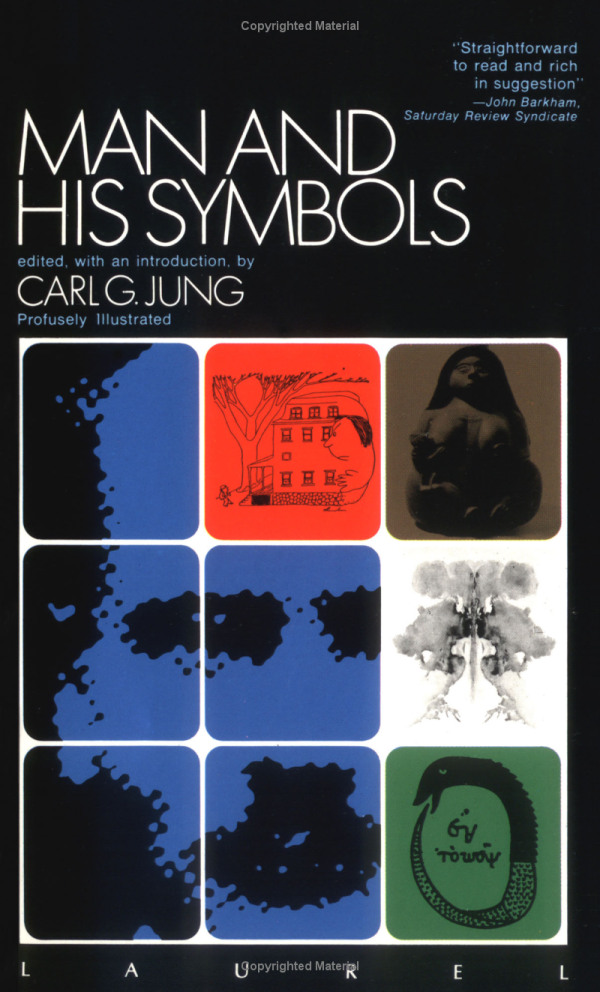
Man and His Symbols
Book Description
Unlock the mysteries of the mind as C.G. Jung takes you on an exhilarating journey into the world of dreams and symbols. Dive deep into the subconscious, where forgotten memories and hidden desires clash, revealing a labyrinth of meaning that shapes our very existence. With vivid illustrations and compelling insights, Jung unveils how the universal language of symbols connects us all, bridging the gap between the conscious and the unconscious. Can understanding these profound images illuminate the shadows of our lives and transform our reality? Discover the power within the hidden language of your psyche.
Quick Book Summary
"Man and His Symbols" by C.G. Jung is a foundational work that explores the profound impact of symbols and the unconscious mind on human behavior, dreams, and culture. Jung, alongside his collaborators, introduces readers to the language of the unconscious, emphasizing how personal and universal symbols shape our inner lives. By analyzing dreams and myths, Jung demonstrates that symbols are the psyche’s natural method of communication, offering vital clues to self-understanding and psychological growth. The book also discusses the importance of individuation—the process of becoming one’s true self—highlighting the transformative power of integrating the unconscious with conscious awareness. Through compelling examples and illustrations, Jung reveals how recognizing and deciphering symbols is essential for psychological health and personal development.


Summary of Key Ideas
Table of Contents
The Role of Dreams and Symbols in the Psyche
Jung opens by explaining how dreams and symbols serve as bridges to the unconscious mind. He argues that, while the conscious mind follows a logical structure, the unconscious communicates through images and symbols. Jung asserts that dreams are manifestations of the unconscious, providing guidance, warning, and insight when interpreted correctly. The symbolic content of dreams must be analyzed not just by the manifest images but through their deeper, often personal meanings, tailored to each individual's life experience.
The Collective Unconscious and Archetypes
He introduces the concept of the collective unconscious, a layer of the psyche shared by all humans. Here reside archetypes—universal, primordial images and motifs found across cultures and epochs, such as the Hero, the Shadow, and the Self. Archetypes, according to Jung, generate symbolic narratives in dreams and myths, reflecting humanity’s shared psychological inheritance. These structures shape not only personal dreams but myths, art, and even religious practices throughout history.
Symbolic Communication between Conscious and Unconscious
Jung discusses the dynamic interaction between the conscious and unconscious. This dialogue happens through symbols, which often express aspects of ourselves neglected by conscious awareness. By engaging with these symbols, individuals can uncover hidden motivations, confront inner conflicts, and achieve a more balanced psyche. Jung cautions that ignoring the unconscious risks psychological disturbances, as unresolved material seeks expression, sometimes through compulsions or projections onto others.
Individuation and Psychological Growth
Central to Jung’s theory is the process of individuation, a journey toward self-realization. Individuation involves embracing both conscious and unconscious elements, integrating shadow aspects, and reconciling internal oppositions. Through encounters with meaningful symbols—particularly in dreams—individuals can navigate this journey, gradually discovering their authentic selves. Jung contends that personal growth and emotional healing depend on this integration, granting life greater coherence and purpose.
The Influence of Symbols in Modern Life
Finally, Jung turns to the broader implications of symbols in modern society. He observes that, while scientific rationalism has advanced, it often neglects the symbolic needs of the psyche. Without access to meaningful symbols, individuals may feel lost or fragmented. Jung suggests that art, religion, and even contemporary advertising tap into archetypal imagery, shaping collective attitudes and values. Understanding the power of symbols can therefore not only transform individual lives but also contribute to greater cultural harmony and insight.
Download This Summary
Get a free PDF of this summary instantly — no email required.