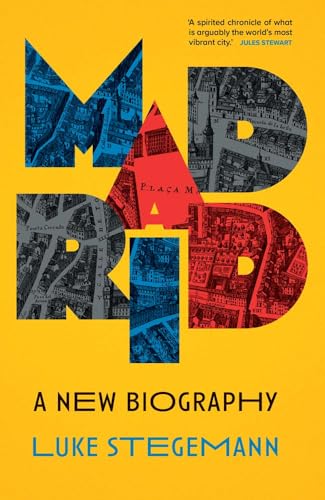
Madrid: A New Biography
Book Description
Beneath the vibrant streets of Madrid lies a tapestry woven with passion, power, and resistance. Luke Stegemann takes readers on a breathtaking journey through the city's history, revealing its pulse through the eyes of revolutionaries, artists, and dreamers. Each chapter unfolds a new layer of its identity, exploring the conflicts that have shaped its landscape and the spirit that refuses to be extinguished. From the echoes of a civil war to the roar of cultural renaissance, Madrid is a character all its own. What secrets does this city still hold, and how will they shape its future?
Quick Book Summary
"Madrid: A New Biography" by Luke Stegemann breathes life into the storied Spanish capital, blending cultural, political, and social history into a vivid portrait of the city. Stegemann chronicles how Madrid has been shaped by its trials and triumphs—from royal intrigues and civil war to the explosive blossoming of art, literature, and resistance. Through the perspectives of diverse citizens—revolutionaries, artists, and ordinary dreamers—readers witness the city’s evolution across centuries and upheavals. The book uncovers Madrid’s distinct identity, shaped by waves of migration, political strife, and cultural reinvention, revealing a city that is both resilient and restless. Stegemann intertwines key events and hidden stories to illuminate Madrid’s enduring spirit, posing thought-provoking questions about the legacies Madrid carries and the secrets it holds for the future.

Summary of Key Ideas
Table of Contents
Conflict as a Catalyst for Identity
Madrid’s history is marked by conflict and transformation. From the Habsburg dynasty’s consolidation of power to the Spanish Civil War, the city’s identity has been forged in the crucible of upheaval. The motivations of rebels, monarchs, and commoners alike have driven dramatic social shifts. Civil unrest, culminating in violent confrontations, left scars memorialized in the urban fabric and local memory. Yet, these very struggles spurred the emergence of Madrid's distinct character: a city defined not merely by its rulers but also by the defiance and resilience of its people.
Artistic and Cultural Renaissance
Culture and creativity flourish in Madrid in response to adversity. The city is home to world-class art institutions, thriving theatre, and an avant-garde spirit. Stegemann highlights how periods of repression, such as Franco’s dictatorship, paradoxically ignited cultural resurgence—artists, writers, and musicians turned oppression into inspiration. Madrid’s boulevards and backstreets became canvas and stage for creative voices that reimagined Spanish identity. From Goya’s brush to the surge of the Movida Madrileña, artistic expression remains woven into the city’s DNA.
Everyday Lives Amidst Power Struggles
Beyond the grand narratives, Stegemann gives voice to everyday Madrileños whose lives and neighborhoods form the city’s true heart. Amidst royal ceremonies and governmental schemes, the daily business of living—markets, social clubs, grassroots activism—shaped Madrid’s character. The stories of immigrants, working-class families, and student radicals are essential threads in the urban tapestry, animating the city’s vibrant barrios and public plazas. These intimate histories underscore Madrid’s cosmopolitan and egalitarian impulses, even as power ebbed and flowed above the streets.
Urban Transformation and Hidden Histories
Madrid’s physical and symbolic landscape is littered with reminders of its layered past. Striking architecture, from Moorish relics to modernist towers, reflects cycles of demolition and rebuilding. Stegemann explores how urban development reveals political will and cultural memory—Commemoration and erasure live side by side, preserving secrets of revolution and repression. The city’s hidden histories—buried catacombs, forgotten battle sites, clandestine meeting places—offer links between past and present that inform contemporary identity.
The Spirit of Resistance and Renewal
Amid challenge and change, Madrid’s spirit of renewal is constant. The population’s resistance to dictatorship, openness to reinvention, and embrace of diversity all illustrate a city in permanent dialogue with its own future. Stegemann suggests that Madrid’s greatest secret may lie in its capacity to welcome transformation without losing its core vitality. The city stands as a testament to hope and endurance—every revolution, every renaissance, and every act of rebellion written into the stones of its streets.
Download This Summary
Get a free PDF of this summary instantly — no email required.