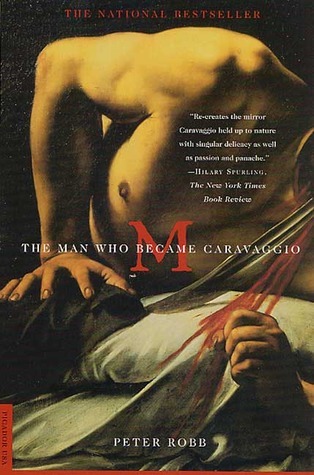
M: The Man Who Became Caravaggio
Book Description
Caravaggio's life was a tempest of genius and chaos, a haunting dance between the sacred and the profane. Peter Robb unveils the shocking truth behind the enigmatic artist, revealing a man consumed by ambition, scandal, and violence. From the dark alleys of Rome to the fervor of the art world, every brushstroke tells a story of conflict and desire. As rivalries ignite and the law closes in, Caravaggio’s masterpieces become both his refuge and his curse. What secrets lie behind the vibrant colors and shadowy figures that continue to captivate the world?
Quick Book Summary
"M: The Man Who Became Caravaggio" by Peter Robb is a vivid, unconventional biography that explores the turbulent life and groundbreaking art of the Italian Baroque painter, Caravaggio. Robb intertwines art criticism with historical detective work, painting a portrait of a man tormented by personal demons, passions, and a penchant for violence. The book delves into Caravaggio’s reckless life in Rome, his clashes with authorities, and his relationships with models, lovers, and patrons. Robb illuminates how Caravaggio’s revolutionary use of light and realism forever altered the world of painting. At the heart of Robb’s account are the mysteries and contradictions that make Caravaggio’s work and enduring legend so captivating: the synergy between his chaotic existence and artistic brilliance.


Summary of Key Ideas
Table of Contents
Artistic Revolution: Realism and Light
Caravaggio emerged in late 16th-century Italy, a time ripe with artistic evolution and political intrigue. Robb traces Caravaggio’s humble beginnings in Milan, where early trauma and plague profoundly affected the young artist. Driven by ambition, Caravaggio moved to Rome, where his raw talent and intense personality distinguished him. Robb shows how Caravaggio’s arrival disrupted a conservative artistic scene, introducing a radical realism that bucked tradition and electrified viewers, even as the artist’s volatile temperament drew attention and provoked controversy.
Violence, Scandal, and Society
Caravaggio’s personal life was inseparable from his art. Robb details his associations with criminals, prostitutes, and other outsiders, many of whom became models for his paintings. The book delves into Caravaggio’s passionate relationships and the continuous tension between sacred subjects and their gritty, secular presentation. Robb articulates how the artist’s chaotic lifestyle—marked by duels, public brawls, and brushes with the law—provided both inspiration and obstacles, resulting in periods of intense creative output and sudden flight.
The Relationship Between Life and Art
Robb scrutinizes Caravaggio’s artistic innovations, especially his pioneering use of chiaroscuro—sharp contrasts of light and dark—which infused his works with drama and immediacy. He examines signature paintings, revealing how Caravaggio broke boundaries by portraying religious figures with startling human vulnerability. These works exposed the raw emotion of biblical stories and shocked contemporary viewers and critics, forever shifting the focus of Western art from stylized idealism to emotional authenticity.
Mystery and Legacy
Beyond the art, Robb investigates the complex politics of Rome, where church patrons and criminal gangs competed for power. Caravaggio’s inability to conform and his violent reputation led to exile after a fatal duel. He wandered through southern Italy and Malta, seeking salvation through art commissions and noble patrons. Robb explores the relentless pursuit by the law and Caravaggio’s efforts to seek pardon, all against a backdrop of fierce competition and vendetta in the Italian art world.
Conflict with Authority
The book closes by considering Caravaggio’s mysterious death and the enduring questions surrounding his legacy. Robb reflects on how the artist’s innovations and notorious reputation have continued to fascinate scholars, artists, and the public for centuries. Through Caravaggio’s tragic story, Robb illuminates how great art may emerge from darkness, conflict, and the fierce pursuit of truth, positioning Caravaggio as both a man of his time and a perennial icon of creativity unbound by convention.
Download This Summary
Get a free PDF of this summary instantly — no email required.