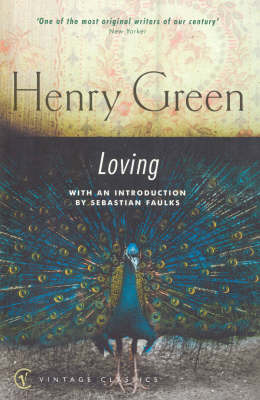
Loving
Book Description
Desire and duty collide in a haunting dance of love and betrayal. In a post-war England, a confused young couple navigates the treacherous waters of romance amidst a world scarred by conflict. Shattered relationships surface as secrets unravel, revealing the raw intensity of human connection. Every glance, every whisper carries a weight that could change everything. As passion ignites, the lines between loyalty and longing blur, leaving hearts teetering on the edge of despair. Will they conquer the shadows of the past or be consumed by them? In the tumult of affection and despair, can love truly prevail?
Quick Book Summary
"Loving" by Henry Green is a nuanced exploration of the lives of servants in an Irish country house during World War II. The novel centers on the interactions, ambitions, and romantic entanglements of house staff, especially the butler Charley Raunce and the maid Edith. As the outside world is engulfed in war, the residents of Kinalty Castle face their own smaller-scale battles of desire, jealousy, and loyalty. The power dynamics between the upper class and their employees, as well as among the servants themselves, shape emotional and psychological complexities. The uncertain environment breeds gossip, suspicion, and hidden agendas, while love becomes a rare but potent force guiding characters through their personal struggles. Ultimately, "Loving" highlights the subtle dance of connection and betrayal amid the chaos of a world both inside and outside the mansion’s walls.






Summary of Key Ideas
Table of Contents
Class Hierarchies and Power Dynamics
Set in the sequestered world of Kinalty Castle in rural Ireland, "Loving" immerses readers in the intricate social web of the servants during World War II. The narrative is filtered through the eyes of Charley Raunce, the newly promoted butler, and Edith, a housemaid who becomes the object of his affection. The threat of global conflict hovers in the background, but the focus is sharply on the routines and rumors threading through daily life. From missing silver to whispered liaisons, Green sketches a claustrophobic atmosphere where every interaction is laced with ulterior motives, hopes, and heartbreaks.
Longing and Emotional Complexity
Within the castle’s microcosm, distinctions between upstairs and downstairs define personal ambitions and relationships. The servants navigate the whims of their absent or aloof employers, operating within rigid hierarchies that both limit and empower them. The staff manipulate information, cover up missteps, and jockey for favor and security. These power dynamics infuse even mundane chores with significance, creating a tense, watchful environment where the pursuit of status or affection is never simple and rarely safe from scandal.
Impact of War on Domestic Life
Love in Green’s world is tentative and fraught, shaped by the persistent uncertainty of wartime existence. Charley’s pursuit of Edith is clumsy but sincere, complicated by rivalries and Edith’s own doubts about trust and loyalty. Their tentative courtship reflects wider themes of desire and vulnerability. For most, love is complicated by class boundaries, the threat of job loss, and the isolated nature of their world. Passion often turns inward, morphing into longing or resentment, with few outlets for true self-expression or security.
Secrets, Betrayal, and Human Connection
Secrets abound in the corridors and bedrooms of Kinalty. Characters conceal illicit communications, personal fears, and ambitions. Betrayal lurks in small acts—a stolen object, a misleading word, or a breach of confidence. The tension between duty and desire is palpable: loyalty to one’s role and social standing constantly clashes with the wish for personal happiness or escape. These conflicts are heightened by the ever-present awareness of fragility—the sense that any misstep could unravel hard-won stability and connection.
Ultimately, "Loving" uses the confined stage of a great house to interrogate the broader questions of human connection and the nature of fidelity under pressure. Green’s subtle prose and interest in interior states render ordinary moments extraordinary, capturing the ways in which people survive, yearn, and sometimes betray each other in their search for meaning, affection, and escape during tumultuous times.
Download This Summary
Get a free PDF of this summary instantly — no email required.