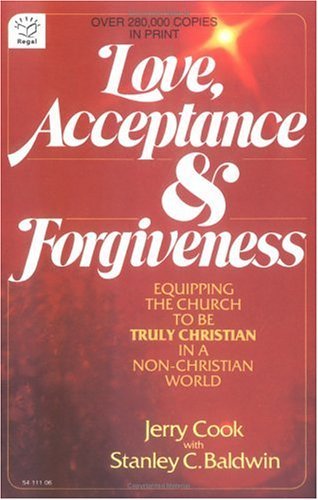
Love, Acceptance and Forgiveness: Equipping the Church to Be Truly Christian in a Non-Christian World
Book Description
In a world often divided by cynicism and anger, can love truly reign? *Love, Acceptance and Forgiveness* equips the church to rise above societal discord, redefining what it means to be genuinely Christian in a non-Christian landscape. Jerry Cook delves into powerful stories and transformative principles that challenge complacency, urging believers to embrace radical kindness and unyielding grace. This compelling call to action demands a profound reawakening, inviting congregations to embody the teachings of Christ in their communities. How can the timeless messages of love and acceptance reshape a fractured world?
Quick Book Summary
"Love, Acceptance and Forgiveness" by Jerry Cook is a transformative guide urging the contemporary church to move beyond judgment and exclusion, embracing the foundational Christian practices of loving, accepting, and forgiving others without reservation. Cook argues that, in a society often marked by division and hostility, the church must be a beacon of Christ-like compassion, offering sanctuary and belonging to all people, regardless of their backgrounds or struggles. Drawing on both biblical teachings and real-life stories, the book challenges believers to break free from insular, self-protective mindsets, and instead extend radical hospitality. By doing so, churches can become havens where grace thrives, faith deepens, and lives are changed, fulfilling their true mission in a non-Christian world.



Summary of Key Ideas
Table of Contents
Radical Love and Unconditional Acceptance
Cook begins by establishing the church’s core mission: to radiate Christ-like love and make everyone feel unconditionally accepted. He critiques the tendency among some congregations to be exclusive or critical, arguing that this contradicts the essence of the gospel. Through scripture and anecdotes, he illustrates how authentic love breaks down walls, drawing people toward faith and genuine relationship with God.
Forgiveness as a Lifestyle
A major focus of the book is the radical nature of forgiveness. Cook teaches that forgiveness is not simply a virtue but must become a lifestyle for Christians. True forgiveness means releasing bitterness, refusing to keep records of wrongs, and treating others with the same grace God extends. The author shares stories of personal reconciliation, demonstrating the transformative power forgiveness has in restoring relationships and healing communities.
The Church as a Healing Community
Central to Cook’s message is the vision of the church as a healing community. He contends that local congregations should function as safe havens for the hurting, where vulnerability is met with compassion rather than condemnation. The church, he maintains, must prioritize restoration over punishment, offering support and encouragement that empowers people to move beyond their brokenness into wholeness.
Living Out Christ’s Example
Throughout the book, Cook exhorts readers to look to Jesus’ life as the ultimate model for love, acceptance, and forgiveness. Christ embraced outcasts, forgave sinners, and valued every person. The modern church is called to imitate this example, taking practical steps to welcome the marginalized and minister from hearts of humility and empathy. Cook challenges leaders and members alike to proactively reach out, even when it’s uncomfortable or countercultural.
Overcoming Barriers to Genuine Relationship
Finally, the author explores the barriers that prevent genuine relationship within the church, such as fear, pride, and long-standing prejudices. By naming and confronting these obstacles, Cook urges believers to cultivate humility and openness. He insists that a willingness to be authentic—to both give and receive grace—unlocks the power to transform individuals, communities, and the church’s wider witness in the world.
Download This Summary
Get a free PDF of this summary instantly — no email required.