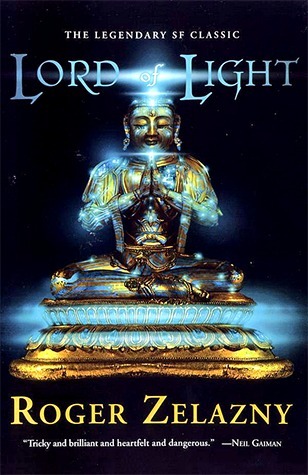
Lord of Light
Book Description
In a universe where gods walk among mortals, power corrupts and ancient myths collide with futuristic technology. A man who was once a prince now fights to reclaim his humanity against a pantheon of deities who manipulate life and death at will. With the fate of reality hanging by a thread, alliances are forged and shattered as the line between good and evil blurs. Betrayal lurks in the shadows, while love ignites both passion and conflict. As the final battle approaches, will the spark of rebellion triumph over divine oppression or will the darkness snuff out the last glimmer of hope?
Quick Book Summary
"Lord of Light" by Roger Zelazny is a genre-defying novel that blends science fiction with Hindu and Buddhist mythology. Set on a distant planet colonized by humans, the story follows Sam, a rebellious hero who challenges the powerful rulers who wield advanced technology and have styled themselves as gods. These self-appointed deities use reincarnation and psychic abilities to maintain control over the populace, enforcing a rigid hierarchy. Sam, taking the spirit and name of several mythic figures, wages a campaign of rebellion to bring freedom and enlightenment to the oppressed masses. With themes of religion, power, and identity, "Lord of Light" is both an epic struggle and a meditation on humanity’s capacity for transformation, blending mythical allegory with futuristic settings.





Summary of Key Ideas
Table of Contents
Divinity and Power Through Technology
On a colonized planet where technology has been disguised as magic, the original crew and their descendants have established themselves as the Hindu pantheon. Using advanced technology, they grant themselves supernatural abilities and reincarnate as they wish, effectively creating a system where the gods govern mortals through awe and fear. Sam, also known as Mahasamatman or Buddha, stands apart from the gods, rejecting both their authority and the corrupt system rooted in technological mystification. This setting creates a backdrop that explores the blurry line between science and mythology and sets the stage for conflicts fueled by the lust for power and the desire for enlightenment.
Rebellion and the Search for Enlightenment
Sam’s journey is that of a rebel and redeemer. Witnessing the injustices committed by the self-styled gods, he seeks to empower the common people. Assuming the persona of Buddha, Sam spreads Buddhism across the world, advocating for spiritual liberation and personal enlightenment as a counter to the oppressive religious dogma enforced by the gods. His revolution is both philosophical and physical, involving not only battles against the gods and their celestial technologies but also a profound battle to awaken humanity to their own potential and agency.
Identity, Transformation, and Selfhood
Identity and transformation play a central role throughout the novel. Characters reincarnate into new bodies, adopting new names and roles with each lifetime. This recurring cycle raises questions about the nature of the self and the possibility of moral and spiritual growth. Sam’s refusal to embrace the traditional rewards of godhood marks his unique identity, while others succumb to the trappings of power and immortality. This theme is played out through alliances, betrayals, and the shifting interplay of loyalty and ambition among immortals and mortals alike.
Religion, Mythology, and Human Nature
The story is interwoven with the evocative elements of Hindu and Buddhist mythology, reimagined through a science fiction lens. By blending ancient myth and futuristic science, Zelazny explores how religion can be used both as a tool of oppression and as a means of inspiration for change. The gods’ manipulation of rebirth, karma, and psychic abilities symbolizes human desires for transcendence and control, while Sam’s embodiment of the Buddha exposes the possibility for liberation through self-awareness and compassion.
Love, Betrayal, and the Cost of Freedom
Ultimately, "Lord of Light" interrogates the costs and complexities of rebellion. Love, friendship, and betrayal all converge as Sam and his allies face impossible choices, and the boundaries between heroism and villainy blur. The climactic confrontation raises profound questions about sacrifice, destiny, and the true meaning of freedom. The novel concludes not with absolute victory, but with a recognition of the ongoing struggle for justice and the enduring hope for a future where humanity can transcend both myth and machinery.
Download This Summary
Get a free PDF of this summary instantly — no email required.