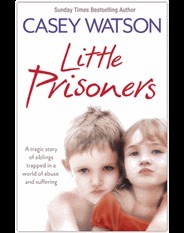
Little Prisoners: A Tragic Story of Siblings Trapped in a World of Abuse and Suffering
Book Description
Trapped in a chilling cycle of abuse, two innocent siblings fight for survival in a world that seems determined to break them. As they navigate the harrowing realities of their fractured home, hope flickers like a dying candle in the dark. Thrilling and heartbreaking, their desperate quest for freedom pulls readers into a gripping narrative of resilience and the unbreakable bond of family. Each page fuels a relentless urgency, revealing the strength hidden within vulnerability. Will they find a way to escape the shadows or remain forever lost in the abyss of suffering?
Quick Book Summary
"Little Prisoners" by Casey Watson is a powerful and moving memoir detailing the true experiences of abuse survivors, siblings Harley and Rhianna, as they are placed into the Watson family's care. Fostering specialist Casey Watson recounts the harrowing details of the siblings' trauma, including emotional neglect and physical abuse, and the challenges they face as they adjust to life in a safe, nurturing environment. The book captures the resilience of these children as they navigate deep-seated fear and mistrust, interwoven with moments of hope, progress, and the forging of trusting relationships. It offers a raw, honest insight into the care system, the long-lasting effects of childhood trauma, and the incredible strength required by both children and foster carers to confront dark pasts and dream of better futures.


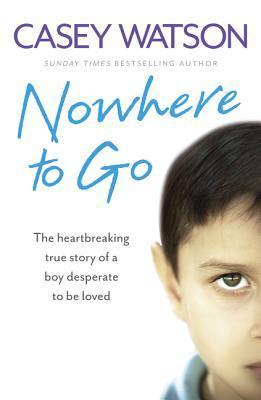
Summary of Key Ideas
Table of Contents
Endurance Through Trauma
The story begins with Harley and Rhianna, siblings thrust into emergency foster care with Casey Watson after enduring considerable abuse in their biological home. Their initial behavior betrays their trauma—Harley is withdrawn and volatile, while Rhianna exhibits a mix of neediness and fear. Early chapters delve into how pervasive trauma shapes children’s worldviews, with their mistrust of adults, disturbed sleep, and unpredictable reactions highlighting the far-reaching impacts of childhood suffering.
The Healing Power of Trust
Casey Watson’s experiences as a foster carer offer unique insights into the obstacles and complexities of building trust with deeply harmed children. She must use patience, empathy, and consistent routines to help Harley and Rhianna feel secure. The process is fraught with setbacks: both children frequently test boundaries, struggle to articulate their emotions, and occasionally regress into disruptive or self-protective behaviors. Casey’s perseverance and understanding illuminate the profound challenges of fostering children coming from traumatic backgrounds.
Breaking Generational Cycles of Abuse
The siblings' journey is also a testament to human capacity for hope and resilience. Gradually, moments of breakthrough appear: Harley and Rhianna begin expressing emotions, forming tentative attachments, and experiencing small joys. These milestones, though minor in the grand scheme, represent enormous progress and highlight how even severely traumatized children can begin healing when provided with love, stability, and respectful caregiving.
Challenges and Realities of Fostering
Through their story, the book spotlights broader issues within the fostering and child welfare system. It exposes systemic gaps—staffing shortages, inconsistency, and the emotional toll on all involved. Yet, it also honors the dedication and emotional labor of foster carers, who walk a tightrope between caring for children and protecting their own families’ emotional health. Watson’s account is an eye-opening exploration of the fostering world’s rewards and pitfalls.
Hope and Resilience in Recovery
Ultimately, "Little Prisoners" is an exploration of both the darkness that abuse can cast over childhood and the hope that can emerge even from the bleakest situations. The siblings’ gradual recovery is hard-won, fragile, and ongoing, yet it shines as a beacon for the transformative power of compassion and the unbreakable bond of family—whether biological or chosen. The book leaves the reader with a blend of heartbreak, admiration, and cautious optimism for abused children daring to trust, heal, and reclaim their voices.
Download This Summary
Get a free PDF of this summary instantly — no email required.