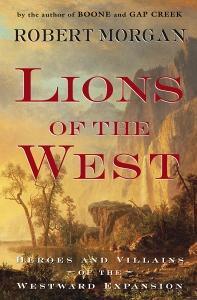
Lions of the West: Heroes and Villains of the Westward Expansion
Book Description
Across the vast, treacherous terrain of a burgeoning nation, heroes and villains collide in a battle for land, power, and identity. “Lions of the West” unveils the gritty, tumultuous saga of the Westward Expansion, showcasing fearless pioneers and ruthless adversaries who sought their fortunes in the unknown. With gripping tales of courage, betrayal, ambition, and desperation, Robert Morgan reveals the stark realities that shaped a nation’s destiny. As dreams spark and conflicts rage, who will rise above the chaos, and who will be lost to the dust of history? What does it truly mean to chase the American dream?
Quick Book Summary
“Lions of the West” by Robert Morgan intricately chronicles the lives of iconic figures—both celebrated and condemned—who shaped America’s westward expansion. Through richly detailed biographical sketches, Morgan weaves together stories of visionaries, political leaders, explorers, and settlers whose ambitions and flaws determined the fate of a growing nation. The book delves deeply into the moral ambiguities and devastating consequences behind the pursuit of Manifest Destiny, presenting the westward push not as a simple tale of progress, but as a complex saga involving conflict, exploitation, and transformation. With vivid storytelling and critical insight, Morgan explores how these "lions" of the West, through bold dreams and ruthless actions, crafted the myths and realities underpinning American identity.


Summary of Key Ideas
Table of Contents
Ambition and the Idea of Manifest Destiny
Morgan opens with the fervor of Manifest Destiny, setting the stage for an era where expansion seems both inevitable and righteous. He explores how political rhetoric and popular belief transformed westward movement into a defining American mission. The book examines the motivations of individuals swept up in this ideal—ranging from hopes of economic opportunity to deep-seated desires for national greatness—which helped justify bold action and, at times, profound brutality.
Complex Legacies of Heroes and Villains
The narrative threads together the lives of major historical figures—Andrew Jackson, Thomas Jefferson, Sam Houston, Davy Crockett, and others—revealing their ambitions, flaws, and contradictions. Morgan avoids simplistic hero worship, instead presenting nuanced portraits that highlight both the vision and the violence of these men. Their decisions often walked the fine line between courageous leadership and reckless exploitation, foreshadowing the political complexities that shaped America's trajectory.
Indigenous Displacement and Cultural Clash
Central to the story is the tragic cost of expansion on Native American peoples. Morgan recounts the harrowing trails of displacement, broken treaties, and loss suffered by indigenous communities as settlers moved inexorably west. The clash of civilizations led to violent confrontation, with often devastating consequences for those who stood in the way of American progress, and forced the nation to grapple with its conscience even as it grew.
The Role of Leadership and Individual Agency
Through exploration narratives and tales of survival, the book celebrates the resilience and ingenuity of pioneers and settlers, while also exposing their complicity in systemic injustices. Morgan shows how individual agency—both heroic and villainous—intersected with larger political and economic forces, creating a mosaic of opportunism, sacrifice, and resistance that marked the era.
Mythmaking and the Shaping of American Identity
Morgan concludes by interrogating how the myths and legends born from westward expansion continue to shape American identity. He suggests that the lionization of these historical figures—warts and all—serves as both inspiration and caution. In drawing from history’s messy realities, Morgan invites readers to reconsider what it means to chase the American dream, recognizing both the glory and the shadows inherent in the nation’s expansionist past.
Download This Summary
Get a free PDF of this summary instantly — no email required.