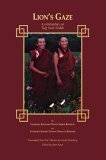
Lion's Gaze: A Commentary on Tsig Sum Nedek
Book Description
Unlock the mysteries of the heart and mind with "Lion's Gaze: A Commentary on Tsig Sum Nedek." This riveting exploration delves deep into the profound teachings of Tibetan Buddhism, guiding seekers through the sacred landscape of self-discovery and enlightenment. Each page pulsates with transformative insights that challenge perceptions and ignite spiritual awakening. Through vivid imagery and evocative prose, the essence of Tsig Sum Nedek unfolds, illuminating the path toward inner strength and compassionate wisdom. As ancient wisdom collides with modern yearning, what truths will you uncover in the solemn dance between suffering and liberation?
Quick Book Summary
"Lion's Gaze: A Commentary on Tsig Sum Nedek" by Palden Sherab provides readers with a profound exploration of core Tibetan Buddhist principles as expressed in the concise text, Tsig Sum Nedek. The book serves as both a philosophical treatise and a practical guide, illuminating the heart of Buddhist practice: recognizing the nature of mind and transforming suffering into insight. Through Palden Sherab's lucid commentary, readers are guided step by step into the inner workings of perception, meditation, and compassion. The teachings challenge conventional ways of seeing, drawing attention to the subtle interplay between ignorance and awakening. The commentary is both intellectually rigorous and deeply compassionate, inviting readers to embody wisdom with courage and sincerity. In sum, "Lion's Gaze" offers a path to self-realization through ancient yet ever-relevant Tibetan teachings.



Summary of Key Ideas
Table of Contents
The Nature of Mind and Awareness
Palden Sherab begins by exploring the nature of mind, the foundation upon which all Buddhist practice rests. He encourages readers to look directly at their own awareness, describing how habitual thoughts obscure the mind’s luminous clarity. By using vivid metaphors—like the lion’s fearless gaze—he illustrates the courage required to examine our true nature honestly. This inquiry becomes the gateway to deeper understanding and the dismantling of the false dichotomy between subject and object.
Transforming Suffering into Wisdom
Next, the commentary zeroes in on suffering and its transformative potential. Instead of shunning discomfort, Palden Sherab teaches readers to approach suffering with curiosity and kindness. Drawing on the pith instructions of Tsig Sum Nedek, he elucidates how suffering, when met with awareness, becomes the very ground for profound insight. This alchemical process is central to the Buddhist path: pain is not just endured or escaped but transmuted into wisdom and compassion.
Non-attachment and Emptiness
Building on this, Sherab unpacks the deep theme of non-attachment and the concept of emptiness. He explains that clinging to fixed identities, outcomes, or notions of reality causes suffering. Emptiness, rather than being a nihilistic void, is portrayed as liberating spaciousness. By embracing non-attachment, practitioners encounter the fullness of experience without being ensnared by it. Sherab’s commentary offers practical illustrations to help readers integrate these teachings into daily life.
Practical Meditation and Self-Realization
Meditation is presented as the vehicle for embodying the teachings of Tsig Sum Nedek. Palden Sherab provides step-by-step guidance for developing shamatha (calm abiding) and vipashyana (insight) meditation. He describes the obstacles one may encounter and how to work skillfully with distraction, doubt, or resistance. Through consistent practice, the transformative insights discussed earlier become a lived reality, deepening both clarity and peace.
Compassionate Engagement with the World
Finally, the commentary bridges contemplative realization with compassionate engagement in the world. Palden Sherab emphasizes that genuine understanding naturally gives rise to compassion; the more one sees into the nature of self and reality, the more interconnected one feels with all beings. Acts of kindness and service are not separate from spiritual practice but are its natural expression, completing the cycle from personal insight to universal benefit.
Download This Summary
Get a free PDF of this summary instantly — no email required.