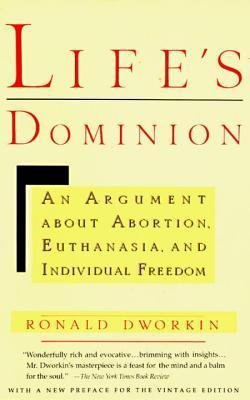
Life's Dominion
Book Description
The clash of ethics and emotions rages where life’s most profound questions meet the unsettling realities of choice. Ronald Dworkin's 'Life's Dominion' boldly navigates the stormy waters of moral dilemmas surrounding abortion, euthanasia, and the sanctity of life. From the courtroom to the clinic, each argument unravels the delicate threads of human dignity and autonomy, sparking fierce debate and deep reflection. Dworkin masterfully dissects the philosophies at play, challenging readers to confront their beliefs and the implications of their convictions. In a world where every decision weighs heavily—what principles will guide humanity's next great moral battleground?
Quick Book Summary
"Life's Dominion" by Ronald Dworkin is a profound exploration of the legal, philosophical, and ethical complexities at the heart of debates over abortion and euthanasia. Dworkin rigorously examines the concept of life's sanctity, navigating between religious and secular perspectives while emphasizing the critical importance of personal autonomy and choice. He analyzes key court cases, cultural attitudes, and moral arguments to uncover what truly motivates deep societal divisions on these issues. Ultimately, Dworkin argues for a framework where individual dignity and the intrinsic value of life are balanced, guiding both public policy and personal conscience. The book challenges readers to reconsider conventional wisdom and confront the philosophical and legal foundations of belief surrounding life and death decisions.




Summary of Key Ideas
Table of Contents
The Moral and Legal Status of Life
Dworkin begins by dissecting the moral and legal status of life, focusing in particular on when life is thought to begin and end. He highlights the linguistic and philosophical ambiguities that shape laws regarding abortion and euthanasia, noting how different cultures and legal systems interpret the value of life. Through this, Dworkin exposes the deep roots of disagreement, pointing out that disputes often stem from divergent understandings of what it means to respect human life, rather than mere factual differences about biology or medical viability.
Personal Autonomy Versus State Power
A central tension of the book is the conflict between personal autonomy and the coercive power of the state. Dworkin makes a compelling case that individual autonomy—the right of individuals to make decisions about their own lives and bodies—occupies a privileged place in democratic societies. He contends that laws restricting abortion or euthanasia frequently overreach, imposing a singular ethical framework on a pluralistic citizenry. In supporting this, he reviews landmark cases like Roe v. Wade, exploring how courts grapple with balancing state interests and individual rights.
The Meaning of Sanctity of Life
Dworkin scrutinizes the idea of the sanctity of life, teasing apart its religious and secular interpretations. He argues that recognizing the sacredness of life need not be grounded exclusively in religious doctrine; rather, a secular appreciation of life's intrinsic value can foster respect for both proponents and opponents of abortion or euthanasia. Dworkin suggests that the real debate turns not on when life begins, but on how best to honor life’s worth, whether through life-prolonging measures or through allowing individuals the dignity of making end-of-life choices.
Judicial Responses to Ethical Dilemmas
The book further delves into how judicial responses to abortion and euthanasia reflect broader societal struggles to accommodate ethical diversity. Dworkin explores high-profile court battles, illustrating how jurisprudence mediates between competing moral visions. He highlights the ethical responsibilities of courts in shaping, rather than simply reflecting, public values—arguing that moral reasoning should be central to judicial decision-making in these contentious areas.
Common Ground and Societal Consensus
In his conclusion, Dworkin seeks a common ground from which a more civil, respectful debate might emerge. He calls for a societal consensus where both the autonomy of individuals and the shared sanctity of life are respected—proposing policies that allow space for conscientious objection without undermining basic rights. Dworkin closes by challenging readers to move beyond entrenched positions, suggesting that dignity, tolerance, and mutual respect can guide the next phase of public and legal discourse over life’s dominion.
Download This Summary
Get a free PDF of this summary instantly — no email required.