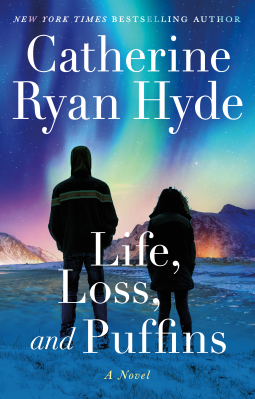
Life, Loss, and Puffins
Book Description
Amidst the crashing waves and fleeting moments of joy, a young girl grapples with the profound void left by loss. In a world where seabirds soar and secrets linger, unexpected friendships bloom in the shadow of grief. Each encounter unveils layers of hope, resilience, and the haunting echoes of what once was. Can the healing power of nature and the magic of unlikely connections mend shattered hearts, or will the weight of sorrow prove too much to bear? As the story unfolds, one question lingers: how do we find our way back to life when everything feels forever altered?
Quick Book Summary
"Life, Loss, and Puffins" by Catherine Ryan Hyde follows a young girl as she navigates the tumultuous landscape of grief after the death of a loved one. Set against the evocative backdrop of stormy coastlines and soaring seabirds, the protagonist embarks on a journey—both literal and emotional. Along the way, she forms unexpected friendships that serve as lifelines, offering glimpses of hope and companionship in her darkest hours. The healing power of nature—embodied by the resilient puffins—emerges as a central force for renewal and connection. This moving coming-of-age story tenderly explores how the echoes of sorrow can give way to resilience and the rediscovery of joy through compassion, introspection, and the gentle touch of the natural world.






Summary of Key Ideas
Table of Contents
The Journey Through Grief and Healing
The heart of this story is the protagonist’s navigation of profound loss. After experiencing death in her immediate circle, the young girl is left bewildered and adrift. Her emotional isolation is intensified by the silence of those around her, who are often unsure how to bridge the gap between themselves and someone grieving. She retreats into herself, replaying old memories while wrestling with the ache of absence. This opening act captures the often-overlooked intensity of adolescent grief, honoring its complexity and honesty.
Nature as a Mirror for Renewal
Nature’s vivid presence along the coastal setting is more than just scenery; it is an intimate character in its own right. The resilient and quirky puffins, weathering storms and returning each season, become a beacon for the protagonist. Through encounters with seabirds, crashing waves, and wild landscapes, she finds solace and gentle guidance. The constancy of the natural world offers her moments of grounding, providing metaphors for hope and lessons in endurance, reminding her that new cycles always follow the storm.
The Power of Unexpected Friendships
Unexpected connections serve as turning points throughout her journey. Initially, the protagonist is suspicious and guarded, struggling to trust both herself and others. Gradually, she forges friendships with individuals who are also grappling with their own secrets and pain. These relationships, forged in silence and vulnerability, help her break free from her emotional shell. The sharing of stories and silent companionship create a tapestry of empathy and mutual support, demonstrating that healing is not a solitary process.
Rediscovering Hope After Loss
The narrative carefully weaves together the lingering presence of the past and the power of sharing memories. The protagonist’s attempts to hold onto what was lost run parallel to her realization that life cannot be lived in memories alone. The process of uncovering secrets—her own and those of others—plays a pivotal role in accepting change. Each revelation is difficult yet necessary, serving as a signpost along the road to healing, and allowing her to reconstruct her sense of self.
Secrets, Memories, and Moving Forward
As the story closes, hope emerges not as a simple antidote to grief, but as an emboldened response to it. The protagonist ultimately discovers that joy and sorrow can coexist. Through the gentle acceptance of both her pain and her new connections, she learns that the heart’s scars can give rise to compassion, purpose, and a renewed appetite for life. The evocative coastal setting and interplay with nature serve as a recurring reminder: while life is forever changed by loss, the journey forward is still possible—and worth taking.
Download This Summary
Get a free PDF of this summary instantly — no email required.