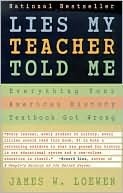
Lies My Teacher Told Me: Everything Your American History Textbook Got Wrong
Book Description
History is not what it seems. Beneath the surface of American textbooks lies a web of deception, erasure, and myth. James W. Loewen unravels the shocking truths behind events, figures, and narratives sanitized for convenience and pride. From the glossing over of slavery's brutal legacy to the heroic misrepresentation of our founding fathers, this gripping exposé reveals how the past has been manipulated to shape our national identity. Each page confronts readers with the question: What if everything you thought you knew about American history is a lie?
Quick Book Summary
"Lies My Teacher Told Me" by James W. Loewen critically examines how American history has been taught in schools, exposing persistent myths, omissions, and distortions within standard textbooks. Loewen argues that history education often promotes a sanitized, patriotic view, downplaying the darker realities of issues like racism, class struggle, and aggressive imperial policies. By analyzing textbook portrayals of events and figures such as Christopher Columbus, slavery, the Civil War, and the civil rights movement, Loewen demonstrates how educational materials have been intentionally crafted to preserve national myths and avoid controversy. His book encourages readers to question official narratives, recognize the complexities of the past, and seek a more accurate, inclusive understanding of American history.



Summary of Key Ideas
Table of Contents
Textbook Myths vs. Historical Truth
James W. Loewen begins by highlighting how American history textbooks present a misleading, oversimplified version of the past. He explains that these materials tend to avoid controversy in favor of a cohesive national narrative, fostering a sense of patriotism but ultimately distorting students' understanding. Textbooks often leave out crucial details, ignore contentious debates, and misrepresent sources, leading students to see history as a collection of uncontested facts rather than a complex, living record of human experience.
The Sanitization of Difficult Histories
One of the book’s central themes is the whitewashing of difficult subjects, especially regarding racism, slavery, and the genocide of Indigenous peoples. Loewen details how textbooks underplay the brutality of slavery, present colonization as a benign or heroic process, and minimize the impact of institutional racism throughout American history. These omissions help maintain a mythic, feel-good version of the past that discourages critical thinking about injustice and its continuing effects.
Heroes and Villains: The Manipulation of Historical Figures
Loewen scrutinizes how American textbooks elevate certain individuals to hero status, such as Christopher Columbus, the Founding Fathers, and Abraham Lincoln, while glossing over their flaws or controversial actions. By oversimplifying or ignoring their complexities, textbooks encourage a black-and-white view of history, dividing people into heroes and villains and sidestepping nuanced, often uncomfortable truths about their motivations and legacies.
Erasure of Racism and Social Conflict
Another crucial topic Loewen addresses is the erasure of social struggle and conflict. Most textbooks avoid discussing class, labor movements, and popular resistance to injustice. By obscuring the roles of ordinary people and social movements, educational materials downplay how activism and dissent have shaped American progress. This approach leaves students with the false impression that change was initiated solely by elites, not collective action.
The Need for Critical Engagement with the Past
Ultimately, "Lies My Teacher Told Me" is a call for critical engagement with the past. Loewen encourages students, educators, and readers to interrogate received historical narratives, evaluate sources, and seek out marginalized perspectives. By confronting the complexities and contradictions of the nation's history, Americans can develop a more honest and informed sense of identity that acknowledges both the country's achievements and its failures.
Download This Summary
Get a free PDF of this summary instantly — no email required.