
Liar's Poker: Rising Through the Wreckage on Wall Street
Book Description
Welcome to the high-stakes world of Wall Street, where fortunes are made and lost in the blink of an eye. Michael Lewis pulls back the curtain on a ruthless game of deceit, ambition, and raw instinct, revealing the chaotic thrill of trading and the cutthroat culture that defines it. With vivid characters and pulse-pounding encounters, 'Liar's Poker' immerses you in a labyrinth of privilege and peril, where integrity is a gamble and the stakes couldn’t be higher. As the financial landscape teeters on the edge, will ambition lead to triumph or ruin?
Quick Book Summary
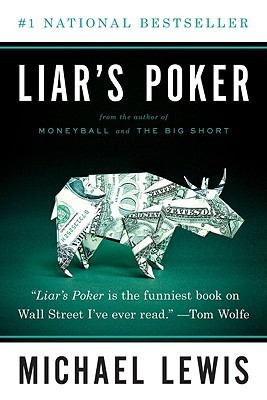
"Liar's Poker" by Michael Lewis is a riveting memoir that chronicles his ascent through the ranks of Salomon Brothers, a dominant investment bank during the 1980s. Lewis masterfully portrays the high-octane, greed-fueled culture of Wall Street, where deception and bravado are often seen as virtues. The book unveils the inner workings of bond trading and the rise of mortgage-backed securities, highlighting how reckless risk-taking and a lack of oversight set the stage for future financial turmoil. Through colorful anecdotes and vivid characters, Lewis exposes the absurdity and excesses of the financial industry, offering both a critique and a firsthand account of its intoxicating power. "Liar's Poker" remains a seminal exploration of ambition, hubris, and the moral ambiguity of finance.



Summary of Key Ideas
Table of Contents
Wall Street Culture of Greed and Excess
Michael Lewis enters Salomon Brothers in the 1980s, a powerhouse at the forefront of Wall Street’s transforming financial landscape. As a new hire in the mortgage bond department, Lewis is immediately struck by an environment ruled by aggression, wit, and a relentless drive for profit. New recruits face a trial by fire, where training is designed less to educate and more to weed out the weak. The firm’s culture is characterized by relentless mockery, internal competition, and larger-than-life personalities who thrive by bending or breaking the rules.
The Rise of Mortgage-Backed Securities
Salomon Brothers played a key role in pioneering mortgage-backed securities, a new financial product that revolutionized the market. The firm’s traders engineered ways to transform illiquid home loans into tradeable assets, fueling unprecedented profits. This innovation drew massive capital and attention, but also increased complexity and obscured underlying risks. Lewis details the behind-the-scenes dealings, the creative yet risky trading practices, and the bold personalities who manipulated markets for sky-high returns, often prioritizing self-interest above all else.
Power Dynamics and Machismo in Finance
Power and machismo are omnipresent on the trading floor, where status is asserted through brash talk, quick wits, and risk-taking. Senior traders dominate through intimidation and psychological games, while ruthless ambition is rewarded. This environment pushes young analysts and salesmen to extremes, cultivating a sense of invincibility and detachment from the consequences of their actions. Lewis’s firsthand observations illuminate how this dynamic shaped both careers and catastrophic financial decisions.
Humor and Satire in Exposing Wall Street
Amid the volatility and pressure, Lewis employs humor and sharp satire to spotlight the absurdities of Wall Street’s logic and behaviors. He narrates memorable stories—boasts, bluffs, and bets that define the game of "Liar’s Poker." The book’s tone combines irreverence and critique, using colorful language and vivid details to capture the outlandish personalities and the surreal culture of excess.
Consequences and Lessons from Risky Behavior
Ultimately, "Liar’s Poker" reflects on the broader implications of this culture. The short-term pursuit of profit, disregard for regulation, and willingness to take on enormous risks laid the groundwork for future crises. Lewis foreshadows the financial system’s vulnerability, warning that unchecked ambition and moral ambiguity come with high costs. The book is both a chronicle of 1980s Wall Street and a cautionary tale about the fundamental flaws in the financial industry’s ethos.
Download This Summary
Get a free PDF of this summary instantly — no email required.