
Letters from a Stoic
Book Description
Amid a storm of chaos in a crumbling world, one philosopher's quiet wisdom echoes through the ages. Seneca's 'Letters from a Stoic' unveils profound insights on life, death, and the pursuit of virtue, delivering timeless guidance in the form of intimate letters filled with raw emotion and unflinching honesty. Each letter is a masterclass in resilience, urging a journey toward inner peace and self-discovery. As the shadows of despair loom large, can the power of Stoicism light a path through the darkness, or will the weight of existence extinguish the spirit of humanity?
Quick Book Summary
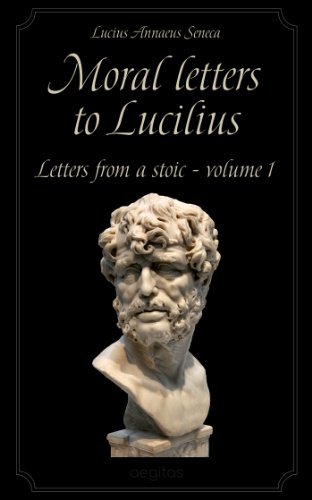
"Letters from a Stoic" is a collection of personal letters written by the Roman philosopher Seneca to his friend Lucilius, offering timeless advice rooted in Stoic philosophy. Through these thoughtful correspondences, Seneca explores themes such as virtue, resilience, the nature of true happiness, the inevitability of adversity, and the importance of self-mastery. His guidance is direct and practical, urging readers to develop inner strength, remain undisturbed by external events, and reflect deeply on their values and desires. Seneca’s writings provide not just philosophical reflections but actionable wisdom for everyday life, making Stoicism accessible to anyone seeking peace amidst uncertainty. The letters shine a light on what it means to live well, face hardship with courage, and strive for personal growth, illustrating that even in times of turmoil, calm and purpose can prevail.



Summary of Key Ideas
Table of Contents
The Nature of Virtue and Living Well
Seneca’s "Letters from a Stoic" presents a practical roadmap to virtue, emphasizing that fulfillment stems from living according to reason and consistent values. Seneca insists that true happiness is independent of external riches or status; instead, it derives from cultivating character, integrity, and wisdom. The philosopher encourages his correspondent to recognize what is within one’s control, suggesting that peace is achieved by aligning our actions with internal principles rather than chasing fleeting pleasures or public approval.
Facing Adversity with Inner Resilience
Adversity is a recurring topic in the letters, which Seneca views as an opportunity for personal growth. He posits that challenges and difficulties serve to strengthen character and test resolve. By accepting hardship calmly and reframing external misfortunes as tests of virtue, one can cultivate resilience and maintain equanimity. Seneca’s Stoicism is ultimately preparation for life’s uncertainties; by practicing the endurance of pain and disappointment, we can meet inevitable setbacks with courage and grace.
Mastery of Desires and Emotions
Central to Seneca’s teaching is the mastery over one’s desires and emotions. He counsels Lucilius to be wary of unchecked passions and impulses, which can cloud judgment and disrupt tranquility. By exercising self-control, practicing moderation, and being aware of one’s emotional triggers, an individual can remain the master of themselves. Seneca advocates for conscious reflection and deliberate action, fostering a calm mind unswayed by fear, anger, or unhealthy attachments.
Transience of Life and Mindfulness of Death
The impermanence of life is a major concern, with Seneca urging mindfulness toward mortality as a means to appreciate the present. Reminders of death are not meant to induce dread but to encourage living authentically and urgently. He recommends regular contemplation of the brevity of existence, which clarifies values and helps prioritize meaningful pursuits over trivial distractions, allowing for a deeper appreciation of each moment.
The Pursuit of Wisdom and Self-Reflection
Finally, Seneca discusses the pursuit of wisdom as a lifelong endeavor. Self-reflection, philosophical reading, and learning from others are presented as keys to personal development. Seneca empowers his reader to seek inner improvement over external achievement, fostering self-awareness and humility. Through guidance, reflection, and dialogue, Seneca’s letters become lessons in how to grow intellectually and morally, underscoring Stoicism’s enduring relevance in navigating life’s complexities.
Download This Summary
Get a free PDF of this summary instantly — no email required.