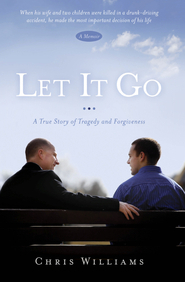
Let It Go: A True Story of Tragedy and Forgiveness
Book Description
Two lives forever altered in a heartbeat—one driver, one victim, and the weight of unimaginable loss. 'Let It Go: A True Story of Tragedy and Forgiveness' reveals a poignant journey through grief, anger, and the heart-wrenching choice to forgive. Chris Williams navigates the raw emotions that follow a devastating accident, challenging the very essence of justice and mercy. As he grapples with his pain, he discovers the redemptive power that lies in letting go. Can one man's quest for forgiveness transform not just his life, but the life of the man who caused his suffering?
Quick Book Summary
"Let It Go: A True Story of Tragedy and Forgiveness" by Chris Williams is a moving memoir chronicling the aftermath of a tragic car accident that claimed the lives of Williams's pregnant wife and several of their children. Written from the perspective of an LDS father, the book explores unimaginable grief and the struggle to find peace. As Williams confronts anger, despair, and profound loss, he is faced with a life-changing decision—to forgive the young drunk driver who caused the accident. The journey through pain evolves into a lesson on faith, agency, and the redemptive power of forgiveness. Williams’s story becomes a testament to how choosing compassion over bitterness can lead to healing, both for oneself and for others.





Summary of Key Ideas
Table of Contents
The Complexity of Grief and Loss
A single moment thrusts Chris Williams into a nightmare when a drunk driver collides with his car, killing his pregnant wife and two of their children. Immediately, Williams finds himself enveloped in a storm of shock and overwhelming grief. Every hope and dream for the future shatters, leaving him to confront the immense emptiness that follows such profound loss. Williams’s story introduces readers to the raw, unfiltered experience of tragedy, and his initial, very human emotions—pain, confusion, and anger—become touchstones for anyone who has faced personal devastation.
The Process and Power of Forgiveness
As days turn into weeks, the brutal reality of loss settles in. Williams navigates not only the logistics of funerals and restructuring his family, but also the heavy emotional landscape that comes with mourning. In his darkest moments, he confronts searing anger toward the young driver responsible. Yet, despite the anger and a thirst for justice, Williams begins to contemplate forgiveness. He examines what it means to let go of resentment, challenging the notion that justice and mercy are mutually exclusive, and wrestling with the vulnerability inherent in true forgiveness.
Faith and Personal Agency
Williams's LDS faith serves as both foundation and challenge throughout his journey. He questions, prays, and leans into spiritual teachings that emphasize healing and grace. His inner struggle reveals the complexities of faith when confronted by life's worst trials. Ultimately, Williams discovers that forgiveness is less an isolated act than a transformative process grounded in personal agency. He learns that relinquishing anger does not diminish loss, but instead opens a path toward spiritual and emotional renewal.
Transforming Tragedy into Healing
Embracing forgiveness shapes the remainder of Williams's story. By choosing to forgive the man who so drastically altered his life, Williams not only empowers his own healing but sets the stage for redemption within others—especially the young driver. This act becomes a powerful testament to the ripple effects of compassion. Williams demonstrates that while tragedy may be inescapable, suffering can be met with resilience, and brokenness can be transformed into purpose through the lens of mercy.
"Let It Go" stands as a powerful exploration of grief, faith, and forgiveness. Williams’s deeply personal journey invites readers to consider their own capacity for letting go when faced with injustice or pain. The memoir is ultimately about reclaiming agency over one’s heart, finding meaning in hardship, and embracing the possibility of healing for both victim and offender alike. Williams’s story suggests that, in the end, forgiveness frees not only the forgiven, but also the one who chooses to let go.
Download This Summary
Get a free PDF of this summary instantly — no email required.