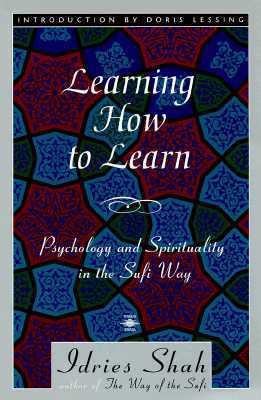
Learning How to Learn: Psychology and Spirituality in the Sufi Way
Book Description
Uncover the secrets of the mind and spirit in a journey that intertwines the ancient wisdom of Sufism with modern psychology. Dive into a world where understanding oneself unlocks hidden potentials, revealing profound truths that can transform daily existence. Each page invites readers to challenge conventional thinking, ignite creativity, and embrace growth in unexpected ways. Witness the powerful fusion of spirituality and intellect as it unfolds, offering a roadmap to enlightenment that resonates across cultures. What if the keys to your greatest learning were waiting just beyond the horizon of your understanding?
Quick Book Summary
"Learning How to Learn: Psychology and Spirituality in the Sufi Way" by Idries Shah is a transformative exploration of the hidden mechanisms shaping human understanding, growth, and enlightenment. By interweaving the mystical traditions of Sufism with insights from contemporary psychology, Shah guides readers to question, reflect, and transcend conventional modes of learning. The book highlights the importance of self-awareness, adaptability, and the breaking of psychological barriers as key factors in genuine learning. Through stories, parables, and practical advice, Shah emphasizes that true wisdom comes not from rote knowledge, but from experiential understanding and openness. Readers are invited to view themselves and the world differently, nurturing both their intellect and spirit. "Learning How to Learn" is both a guide and a challenge, providing tools and perspectives for those seeking authentic transformation and a deeper sense of purpose.






Summary of Key Ideas
Table of Contents
The Science and Spirit of Learning
Idries Shah begins by bridging ancient Sufi wisdom with the latest understandings from psychology, presenting learning as a dynamic process that blends intellect and intuition. He argues that true learning goes beyond acquiring facts; it involves cultivating a state of openness and accepting that the mind, like a muscle, can be trained and transformed. Through stories and analogies, Shah demonstrates how Sufi teachings employ paradox, humor, and experience to prompt self-discovery and break through mental barriers.
Self-Awareness as a Pathway to Growth
A core theme is the necessity of self-awareness in personal growth. Shah encourages readers to turn their attention inward, using reflection and mindfulness to uncover ingrained patterns and biases. By understanding how culture and upbringing shape perceptions, individuals can begin to break free from the automatic responses that limit their potential. Each lesson and tale in the book is designed to foster awareness, prompting readers to question not just what they know, but how and why they know it.
Challenging Assumptions and Conditioned Thinking
Shah delves deeply into the art of challenging assumptions. He draws on both psychological research and Sufi practice to show how habitual thinking stifles creativity, problem-solving, and spiritual awakening. The anecdotes and exercises provided encourage readers to approach problems from multiple perspectives, embracing uncertainty as a source of learning rather than an obstacle. By consistently working to identify and transcend mental routines, one becomes receptive to new insights.
Integrating Spirituality with Everyday Life
Integrating spiritual principles into everyday life is another key message. Shah illustrates how the Sufi approach does not require withdrawal from the world, but instead calls for engagement with day-to-day experiences as opportunities for learning and transformation. Spiritual growth, he explains, is inextricable from one’s interactions, responsibilities, and challenges. The fusion of spirituality and practicality enables a living wisdom that evolves alongside each situation.
Transformative Power of Experience
Ultimately, the book argues that authentic learning and transformation arise from experience. Shah asserts that real change occurs not through theoretical discussion alone, but in the lived encounters that test one’s understanding and flexibility. He advocates for a balance between knowledge and action, encouraging readers to actively apply insights, absorb lessons from mistakes, and remain open to the unexpected. This experiential approach, rooted in both Sufism and psychology, is presented as the true key to unlocking hidden potentials.
Download This Summary
Get a free PDF of this summary instantly — no email required.