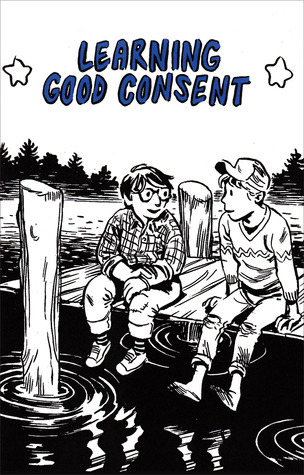
Learning Good Consent
Book Description
What if the key to genuine connection lies in understanding the power of consent? In "Learning Good Consent," Cindy Gretchen Ovenrack Crabb takes you on a transformative journey through the intricate web of human relationships. With clarity and urgency, this compelling guide shatters misconceptions and empowers individuals to navigate the complex landscape of boundaries. Filled with pragmatic insights and real-world scenarios, it challenges readers to question norms and embrace the art of consent as a liberating force. How can a simple conversation reshape your understanding of intimacy and respect?
Quick Book Summary
"Learning Good Consent" by Cindy Gretchen Ovenrack Crabb is a powerful exploration of how understanding and practicing consent can profoundly transform our relationships and communities. Rooted in feminist and queer perspectives, the book offers a nuanced look at consent beyond the simplistic notion of mere agreement. Crabb weaves together personal stories, interviews, and pragmatic advice to help readers unpack societal misconceptions around power, communication, and boundary-setting. Through practical scenarios and reflective exercises, the author encourages readers to build the skills necessary for genuine, respectful connection. By challenging ingrained norms, Crabb empowers individuals to engage in conversations that foster intimacy, autonomy, and mutual respect, making "Learning Good Consent" an essential resource for anyone seeking healthier and more equitable connections.






Summary of Key Ideas
Table of Contents
Redefining Consent Beyond Agreement
Crabb begins by dismantling the common misconception that consent is simply about getting a clear “yes” or “no.” She emphasizes that genuine consent is a dynamic, ongoing process that involves self-awareness, listening, and respect for others’ autonomy. The book situates the subject within a feminist and queer framework, showing how the concept of consent intersects with larger issues of power, privilege, and social norms. By contextualizing consent in these broader dimensions, Crabb urges readers to question default assumptions and recognize the complexity in every human interaction.
Communication as a Tool for Empowerment
Effective communication is portrayed as an essential foundation for practicing good consent. The book provides strategies for expressing desires, uncertainties, and boundaries in ways that are honest yet sensitive. Real-world scenarios illustrate the importance of active listening, nonverbal cues, and the courage to voice discomfort without fear of backlash. By fostering open conversations about needs and limits, everyone involved gains agency, and respect becomes woven into the fabric of the relationship.
Navigating Power Dynamics in Relationships
Power differentials, whether based on gender, sexuality, age, or experience, play a significant role in how consent is understood and enacted. The author explores how imbalances in power can make it difficult to express or interpret consent authentically. Through interviews and reflective exercises, readers learn to recognize and address these dynamics, ensuring that consent is freely given and not coerced or assumed. By acknowledging structural inequalities, Crabb calls for a more just and equitable approach to intimacy and connection.
Boundaries, Autonomy, and Healing
Personal boundaries and self-care are central themes. Crabb emphasizes the importance of recognizing one’s own needs and respecting the limitations of others. The book incorporates tools for healing from past violations and rebuilding trust. Stories from survivors and those working through guilt or confusion offer hope and guidance, underlining the fact that everyone is capable of learning, growing, and practicing better consent regardless of previous mistakes or trauma.
Building Consent Culture in Communities
The final focus is on the collective responsibility to build consent-centered cultures within communities. Crabb challenges readers to look beyond personal interactions and consider how societal values, peer influences, and institutional policies shape our approach to boundaries and consent. The book concludes by inspiring individuals to be proactive in shaping supportive environments, where conversations about consent are normalized, and everyone’s dignity is honored. In this vision, learning good consent is not only an individual practice but a transformative force for community healing and liberation.
Download This Summary
Get a free PDF of this summary instantly — no email required.