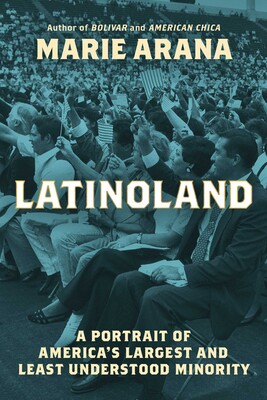
LatinoLand: A Portrait of America's Largest and Least Understood Minority
Book Description
Step into a vibrant world where culture, identity, and resilience collide. "LatinoLand" paints a breathtaking portrait of America’s largest and least understood minority, unveiling the complexities of a community rich in history and diversity. Marie Arana takes you on a gripping journey through the heart of Latino experiences, shedding light on their struggles, triumphs, and indelible contributions to the American landscape. This powerful exploration reveals not just statistics, but the beating heart of a culture often misrepresented and overlooked. What does it truly mean to belong in the land of the free, when your story is only just beginning?
Quick Book Summary
"LatinoLand" by Marie Arana offers an in-depth exploration of the largest minority group in the United States: Latinos. Arana dispels stereotypes and highlights the extraordinary diversity within Latino communities, transcending conventional notions based purely on language or origin. By weaving together stories, interviews, and historical context, the book investigates the enduring impact Latinos have made on America's social, political, and cultural landscape. Arana shows how Latinos navigate dual identities, challenging both marginalization and expectations. The book emphasizes both resilience and innovation, demonstrating how Latinos are shaping the future of the nation, all while grappling with issues of belonging, representation, and recognition. Ultimately, "LatinoLand" is a celebration and a call to understand and embrace the complexity of Latino identity in America.





Summary of Key Ideas
Table of Contents
The Rich Diversity Within Latino Communities
Latino communities in the United States are anything but monolithic. "LatinoLand" unpacks this vast diversity, exploring the range of countries, traditions, races, and backgrounds that make up Latino identity. Arana emphasizes how language is only one of many threads uniting Latinos, while differences in race, class, and national origin often create unique experiences within the larger community. By examining personal stories, Arana demonstrates that the Latino experience can vary as much within the group as it does outside it.
Historical Roots and Contemporary Challenges
Tracing the historical roots of Latinos in America, Arana recounts both longstanding presence and more recent immigration patterns. She details the origination of Latino populations, from early Spanish settlements to contemporary migrations from Central and South America. The book discusses challenges faced across generations, including discrimination, shifting immigration policies, and economic hardship, showing how these adversities shaped communities and individual destinies.
Resilience and Adaptation Across Generations
Yet adversity has also fostered profound resilience. Arana highlights stories of adaptation and reinvention, where Latinos have navigated the American system, built businesses, raised families, and preserved cultural heritage. The narrative delves into the Latino embrace of both old and new traditions, reflecting a dynamic and evolving identity that thrives in the face of obstacles. This adaptability has ensured that Latino voices not only survive, but flourish.
Political Engagement and Cultural Impact
Latinos' growing political and cultural influence is another major focus. Arana addresses the increasing participation in electoral politics, activism, and community leadership, as well as pivotal contributions to art, music, literature, and cuisine. While challenges like underrepresentation and systemic bias persist, Latino communities are redefining what it means to be American and making their presence felt in every part of society.
Identity, Representation, and Belonging
At the heart of this journey is the ongoing quest for identity, representation, and belonging. Arana illustrates how Latinos negotiate being both insiders and outsiders in American life. Issues of language, colorism, and generational change all play a role in how Latinos perceive themselves and are perceived by others. By giving voice to their stories, "LatinoLand" urges a richer understanding and acknowledgment of Latinos’ critical place in the American mosaic.
Download This Summary
Get a free PDF of this summary instantly — no email required.