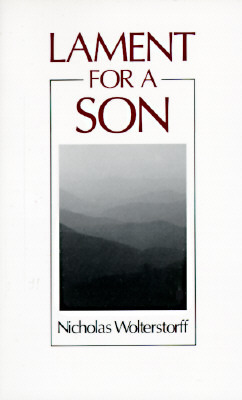
Lament for a Son
Book Description
A father's heart shatters as he confronts the unbearable reality of loss. Nicholas Wolterstorff's 'Lament for a Son' unfolds like a haunting elegy, capturing the raw ache of grief and the search for meaning in a world turned upside down. With searing honesty, it explores the depths of sorrow and the struggle to find hope amidst despair, weaving poignant reflections that resonate deeply with the human experience. Each page is a masterclass in vulnerability, inviting readers to grapple with the profound questions of love, faith, and the fragility of life. How do we carry on when life shatters our dreams?
Quick Book Summary
"Lament for a Son" is a deeply personal memoir by Christian philosopher Nicholas Wolterstorff, chronicling his grief after the tragic death of his 25-year-old son, Eric, in a mountain-climbing accident. Wolterstorff writes in fragments and reflections, laying bare the raw pain, confusion, and devastation that comes with loss. He candidly confronts his sorrow, wrestling with questions of faith, the goodness of God, the nature of suffering, and the possibility of hope. Avoiding easy theological answers, he embraces lament as both a human and spiritual expression. Through his honest portrayal of mourning, Wolterstorff finds new meanings in suffering, inviting readers to consider the ways love and pain are intertwined, and how, even amid darkness, moments of comfort and hope may emerge.



Summary of Key Ideas
Table of Contents
The Experience of Raw Grief
The book opens in the immediate aftermath of Eric’s death, as Wolterstorff allows readers into his shattered world. His writing conveys the visceral agony of loss—an all-encompassing pain that resists platitudes and simple consolation. He describes how mourning intrudes into daily life, altering routines and forcing him to confront both the absence and the enduring love he holds for his son. Throughout, Wolterstorff rejects the temptation to minimize or explain away his suffering, demonstrating a commitment to honest expression of emotion.
Faith and Doubt in the Face of Suffering
Wolterstorff’s Christian faith, central to his worldview, is put to the test. He doesn’t shy away from voicing anger, doubt, and confusion toward God, interrogating the traditional assurances of divine comfort. He questions how a loving God could permit such loss, yet persists in his faith, not by denying the pain, but by allowing it to reshape his understanding of God’s presence in a broken world. His faith becomes a language of lament, steeped in the Psalms and biblical tradition, where sorrow and belief coexist.
The Necessity of Lament
A recurring motif is the act of lament—not as complaint, but as an authentic form of prayer and resistance against meaninglessness. Wolterstorff argues that to truly love is to grieve the loss of the beloved, and that lament is a testament to the value of those we mourn. He contends that Christianity does not promise exemption from suffering, but rather companionship in it, affirming the relevance and necessity of lament within the spiritual life.
Love, Memory, and the Permanence of Loss
Love and memory are interwoven throughout the narrative. As Wolterstorff remembers Eric—his joy, quirks, and passions—he grapples with the permanence of his absence, recognizing that love does not end with death. This exploration deepens his sorrow but also roots his continuing bonds with Eric, offering bittersweet comfort. He meditates on the way remembering is both painful and essential, a way of honoring the person lost and sustaining their presence through story and ritual.
Emerging Hope and the Mystery of Redemption
Towards the book’s end, Wolterstorff moves, not towards resolution, but into a space where hope finds subtle footholds. Hope does not negate grief; rather, it coexists with loss, emerging through moments of connection, memory, and faith. He acknowledges the ongoing mystery of redemption—the possibility that love may ultimately triumph over pain, and that longing for reunion is itself a sign of hope. The book closes with an invitation to embrace both sorrow and hope, living authentically in the tension between lament and faith.
Download This Summary
Get a free PDF of this summary instantly — no email required.