
Kutath
Book Description
Beneath the cold, unforgiving facade of war-torn planets lies a web of treachery, loyalty, and untold power. As factions collide and alliances shift, one lone figure emerges, haunted by a past that threatens to resurface. Betrayal lurks around every corner, and the stakes skyrocket when personal vendettas collide with galactic ambitions. In a universe where trust is a rare commodity and every decision could ignite flames of chaos, the fight for survival becomes deeply personal. Will sacrifice lead to salvation, or will it plunge everything into darkness? What price is too high in the quest for redemption?
Quick Book Summary
"Kutath" by C.J. Cherryh thrusts readers into a universe fragmented by war, deception, and shifting alliances. On planets scarred by conflict, power struggles and betrayals define the fate of entire civilizations. Amid the chaos, a solitary protagonist is forced to confront their haunting past, as old loyalties and enmities are reignited. Personal vendettas entwine with galactic ambitions, raising the stakes for everyone involved. With loyalties in flux and trust scarce, each choice carries the weight of potential disaster or salvation. The narrative explores the profound cost of survival in a universe where redemption is as elusive as security, questioning what sacrifices are justified when the line between personal and cosmic stakes blurs.


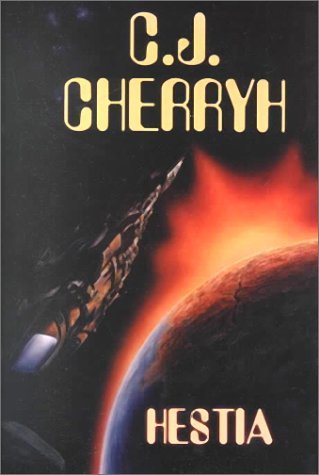
Summary of Key Ideas
Table of Contents
The Burden of Past Betrayals
At the heart of "Kutath" is its protagonist, a figure marked by a shadowy history intertwined with the fate of war-torn worlds. Their past decisions continually resurface, complicating present actions and relationships. The legacy of betrayal both haunts and motivates, making the journey toward redemption profoundly personal. Through an evocative exploration of memory and regret, the narrative forces characters—and readers—to confront the idea that escape from the past may never be possible, but understanding its weight is essential to forging ahead.
Shifting Alliances Amidst Galactic War
The novel’s backdrop is a galaxy in turmoil, with planetary systems embroiled in endless warfare. Factions frequently form and dissolve, making survival as much about political acumen as martial strength. As alliances shift, so too does the balance of power, leading to an environment where no one is truly safe. Cherryh masterfully constructs layers of intrigue, where a single misstep can spell annihilation for whole factions, and the personal becomes indistinguishable from the political.
The Rarity of Trust and Loyalty
Trust and loyalty are luxuries that the characters of "Kutath" can rarely afford. Friend transforms into foe with minimal provocation, and loyalty is often transactional, shaped by the needs of the moment. The protagonist’s quest for genuine connection becomes a central conflict, complicated by the suspicion and duplicity surrounding them. In this setting, to trust is to risk everything, and yet isolation brings its own dangers, forcing the characters to continually reevaluate their alliances.
The Cost of Personal vs. Cosmic Ambitions
Throughout the story, the demands of personal interest often collide with the enormity of galactic ambitions. The protagonist’s personal vendettas and need for redemption intertwine with the fate of worlds, raising questions about where one’s duty truly lies. The novel investigates whether it is possible to pursue individual salvation without sacrificing the greater good, or if some costs are too steep to pay—even in the name of survival or justice.
Sacrifice and the Search for Redemption
Ultimately, "Kutath" is a meditation on sacrifice and the hope for redemption. Cherryh examines how every choice to protect or betray, to trust or isolate, leads inexorably toward transformation or ruin. The final moments of the book leave the reader contemplating whether true redemption is attainable or if some scars are too deep to heal, cementing "Kutath" as a powerful study of human nature under cosmic pressure.
Download This Summary
Get a free PDF of this summary instantly — no email required.