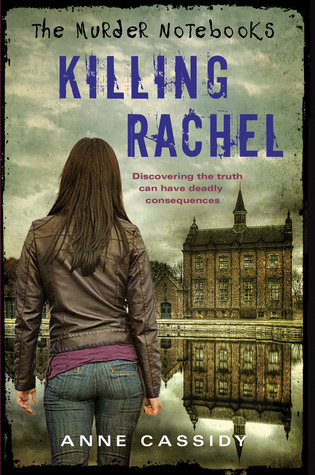
Killing Rachel
Book Description
A secret hidden beneath layers of friendship and betrayal shatters the fragile lives of two teenage girls. When Rachel, a vibrant soul, is found dead, her best friend embarks on a harrowing journey to uncover the truth. Tension mounts as dark secrets unravel, pitting loyalty against survival in a race against time. Love, jealousy, and deception intertwine, revealing a chilling reality that could destroy everything. As the investigation deepens, every revelation pulls the protagonist closer to a haunting confrontation. Who will be left standing when the dust settles? Secrets don’t just haunt them; they could become deadly.
Quick Book Summary
"Killing Rachel" by Anne Cassidy is a gripping and emotionally charged young adult thriller that explores the complex layers of friendship, betrayal, and the desperate search for truth. When Rachel, a lively and enigmatic teenager, is found dead under suspicious circumstances, her best friend is thrust into a perilous quest to expose what really happened. As the protagonist delves deeper, she uncovers unsettling secrets hidden in the shadows of their friendship—truths that implicate those closest to her. Loyalties are tested as buried jealousies, romantic entanglements, and long-standing resentments come to light. With every revelation, she is pulled closer to danger, realizing too late that she can trust almost no one. In a race against time, uncovering Rachel's killer becomes not only a quest for justice but also a struggle for survival.



Summary of Key Ideas
Table of Contents
The Fragility of Friendship and Trust
Rachel’s death sends shockwaves through her close-knit circle of friends, leaving her best friend reeling with grief and unresolved questions. The bond that once united them now serves as a painful reminder of all that is lost, and a catalyst for an urgent investigation. The protagonist’s resolve is fueled by both love and guilt, struggling to understand what really happened that night—and why Rachel, of all people, became a victim. Her journey is complicated by memories clouded with affection and subtle hints of hidden cracks in their relationship.
The Impact of Betrayal and Secrets
As the protagonist digs deeper, chilling secrets and tangled betrayals begin to surface. Friendships that once seemed unbreakable are exposed as fragile and, in some cases, toxic. Old resentments, romantic rivalries, and guarded personal histories converge, painting a much darker picture of Rachel’s final days. The line between friend and suspect becomes blurred, as everyone harbors something to hide. The investigation takes on a sense of urgency, as trust diminishes and paranoia grows among the survivors.
Navigating Grief, Guilt, and Loss
Driven by both loyalty and compulsion, the protagonist begins to question everyone around her—including herself. She revisits crucial moments in the past, reevaluating her relationship with Rachel and others in their social circle. Through this process, the cost of loyalty, the pain of betrayal, and the weight of unanswered guilt become central themes. The emotional turmoil is heightened by the knowledge that uncovering the truth could have devastating consequences for all involved, including herself.
Investigating Truth in the Face of Danger
Love and jealousy further complicate the narrative, weaving their way into motivations and relationships. Romantic entanglements lie at the heart of many conflicts, casting suspicion and deepening emotional wounds. The protagonist’s investigation is repeatedly obstructed by those seeking to conceal the truth, forcing her to navigate a dangerous web of lies and half-truths. Each revelation brings her closer to a haunting confrontation with the person behind Rachel’s death, culminating in a final act that exposes the true cost of secrecy.
The Intertwining of Love, Jealousy, and Survival
In the aftermath, nothing remains the same. The protagonist’s search for justice exacts a personal toll, permanently altering her understanding of herself and those she once trusted. The novel closes on a somber yet hopeful note, suggesting that while the scars of loss and betrayal rarely heal completely, facing the truth is necessary for any hope of moving forward. “Killing Rachel” is an evocative meditation on friendship, truth, and the destructive power of secrets.
Download This Summary
Get a free PDF of this summary instantly — no email required.