
Keeping Corner
Book Description
Caught between tradition and the fierce desire to break free, a young girl faces a heart-wrenching choice that will shape her future forever. As the weight of cultural expectations presses down, she must confront family loyalty, the stifling grip of societal norms, and her own dreams for a brighter tomorrow. With every passing moment, the conflict intensifies, threatening to snuff out her spirit. Filled with raw emotion and vibrant imagery, this tale pulls you into a world where love battles tradition. Will she find the courage to claim her own destiny, or will the constraints of her past keep her bound forever?
Quick Book Summary
"Keeping Corner" by Kashmira Sheth is a poignant coming-of-age tale set in 1940s India, following the life of Leela, a young girl whose destiny is shaped by the powerful forces of tradition and societal norms. Married at the age of nine, Leela eagerly anticipates moving into her in-laws' home, but her dreams are shattered when her husband dies unexpectedly. As a widow, Leela is subjected to the rigid custom of "keeping corner," confining her to her home for a year in strict mourning. While isolated, Leela yearns for the freedom to pursue her education and envision a future beyond the limitations imposed upon her. Through the support of teachers and family, and her own resilience, Leela grapples with loyalty, grief, and the possibility of forging her own path.
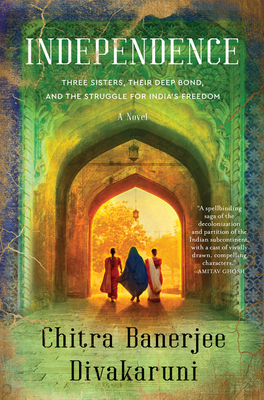

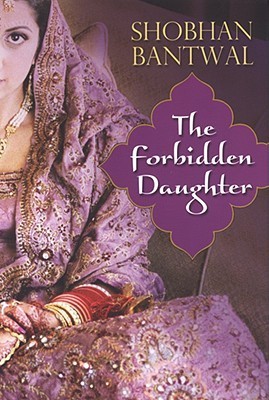


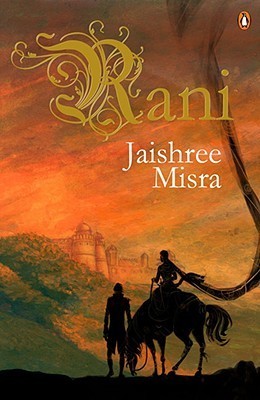
Summary of Key Ideas
Table of Contents
Tradition Versus Individual Desires
Leela's life is defined by tradition from a young age. Married as a child, she looks forward to the ceremonial aspects of moving into her husband’s family, only to be upended by his sudden death. Her widowhood means she must observe the custom of "keeping corner," sequestered in her home, wearing plain clothes, and eschewing joyful activities. This practice not only isolates her physically but also emotionally, robbing her of the expected joys of young womanhood.
Women's Roles and Restrictions
In her confinement, Leela feels the full weight of being a young widow in pre-independence India, where women are expected to suppress their individuality and adhere strictly to societal expectations. Her family’s adherence to tradition is coupled with their love and fear of social ostracism. As Leela processes her grief, she faces the abrupt halt of her dreams and the stigma of widowhood, which many in her community equate with misfortune and impurity.
The Importance of Education
Amidst this turmoil, education emerges as Leela’s beacon of hope. Her brother, sister-in-law, and especially her progressive teacher, Saviben, encourage her to continue learning. Through reading, writing, and discussion, she finds solace and opportunities for self-expression. Education not only distracts Leela but helps her recognize the broader world and the possibility of a different future, nurturing her intellect and self-worth.
Family Loyalty and Social Pressure
Family loyalty and community pressure are ever-present. While some relatives urge Leela to conform, others advocate for her potential beyond widowhood. These conflicting messages force Leela to evaluate the value of tradition versus the importance of personal happiness and achievement. Her evolving relationships highlight the conflicts within families forced to navigate both love and the fear of societal rejection.
Resilience and Personal Growth
Leela’s journey becomes one of inner strength and renewal. Despite her sorrow and restrictions, she perseveres, learning to assert her own voice while acknowledging her cultural heritage. She moves toward a future not dictated solely by ancient customs but by her desires and convictions. By end, Leela’s resilience positions her as an emblem of hope for change and female empowerment in a society on the brink of transformation.
Download This Summary
Get a free PDF of this summary instantly — no email required.