
Jayber Crow
Book Description
In the heart of a small Kentucky town, a solitary barber named Jayber Crow grapples with the threads of love and loss, weaving an intricate tapestry of human connection and solitude. With each snip of his scissors, secrets unravel and hidden truths emerge, revealing the landscapes of both the town and his own restless soul. As the seasons change, so do the lives of the townspeople, each encounter steeped in the weight of history and the yearning for belonging. Will Jayber find the peace he longs for amidst the chaos of life, or will he remain forever bound to the echoes of the past?
Quick Book Summary
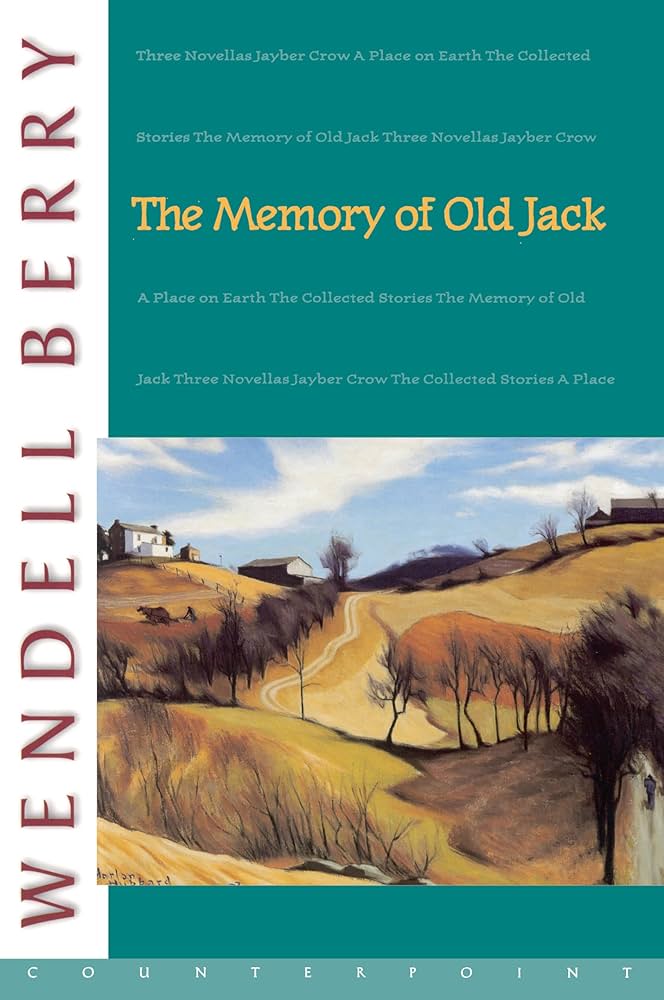
Jayber Crow, set in the rural landscape of Port William, Kentucky, is the contemplative tale of Jonah 'Jayber' Crow, the town barber, as he navigates a lifetime shaped by loss, longing, and a deepening sense of place. Orphaned at a young age and raised in institutions, Jayber returns to the town of his childhood, where he quietly observes the intricate lives around him from the vantage of his barbershop. Through his relationships—with townsfolk, the land, and especially his unrequited love for Mattie Chatham—Jayber discovers the bittersweet beauty of love, faith, and community. Wendell Berry’s novel sings with nostalgia and wisdom, reflecting on how belonging emerges from accepting both solitude and connection.



Summary of Key Ideas
Table of Contents
Belonging and the Search for Home
Jayber Crow’s journey begins with the loss of his parents, leading him through a series of foster homes and eventually to an orphanage. Raised with the expectation of becoming a minister, Jayber confronts deep theological questions early on, ultimately leading to a crisis of faith that sets him adrift. In leaving school and choosing not to follow a religious vocation, he embarks on a wandering life, shaped by uncertainty but also curiosity and openness to experience.
Love and Unrequited Longing
Upon returning to Port William, the town from his earliest memories, Jayber establishes himself as the barber, a role that places him at the center of communal life. From his chair, he witnesses the joys and griefs of generations, standing as a silent chronicler of the slow, inexorable changes to both people and land. His interactions foster a sense of belonging, yet lingering undercurrents of solitude persist, rooted in his outsider status and contemplative temperament.
The Passage of Time and Memory
At the heart of Jayber’s emotional life lies his love for Mattie Chatham, a married woman committed to her family and moral duties. Jayber’s unspoken devotion becomes a grounding force, shaping his choices and deepening his capacity for selfless care. Though his affections remain mostly concealed, the relationship embodies the novel’s meditation on spiritual fidelity, self-denial, and the forms of love that transcend worldly fulfillment.
Community and Solitude
As the years unfold, Jayber reflects on the transformation of Port William—subsistence farmers yielding to new economic pressures, the slow erosion of traditional ways, and the deepening alienation brought by modernity. Through these changes, Berry explores how memory and history knit together individual identities and communal values, even as the town’s fabric is threatened. Jayber’s reminiscences are tinged with grief for what is lost, but also gratitude for the persistence of beauty and justice found in small acts and everyday life.
Faith, Doubt, and Redemption
Faith, for Jayber, becomes a quiet, personal journey rather than a formal doctrine. Wrestling with doubts and haunted by questions of purpose and redemption, he develops a humble spirituality grounded in acceptance and service. In his later years, Jayber acknowledges the mystery of existence—finding peace not in answers, but in being present for others and the world itself. By the end, he recognizes Port William not simply as a location, but as a spiritual community, sustained by love in its many imperfect, enduring forms.
Download This Summary
Get a free PDF of this summary instantly — no email required.