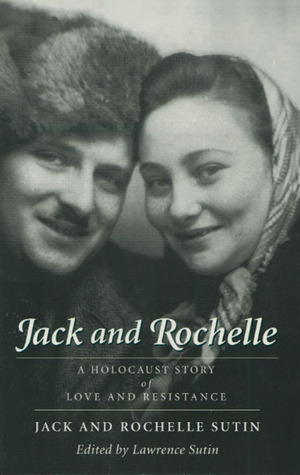
Jack and Rochelle: A Holocaust Story of Love and Resistance
Book Description
Amidst the desolation of World War II, love ignites in the shadow of despair. Jack and Rochelle defy the horrors of the Holocaust, embarking on a perilous journey of resistance that tests their courage and commitment to each other. Their intertwined fates reveal the indomitable spirit of humanity—sacrifices made, bonds forged, and the relentless fight for survival. Every moment is fraught with danger, but the fire of hope keeps them alive. Can love truly flourish in the darkest of times, or will the world’s brutality extinguish their dreams forever?
Quick Book Summary
"Jack and Rochelle: A Holocaust Story of Love and Resistance" is the poignant, dual memoir of Jack and Rochelle Sutin, Polish Jews whose lives and love intertwined amid the horrors of World War II. Facing death, betrayal, and overwhelming odds, they recount their escape from Nazi persecution and their subsequent roles as partisans. The book is not just a testament to their courage and resistance, but also an exploration of the bonds of love and community that emerge amid despair. Through loss and countless dangers, Jack and Rochelle find each other, nurture a relationship, and draw strength from their shared hope. Their survival is both a personal victory over tragedy and a story that honors the broader spirit of defiance among Jews during the Holocaust.

Summary of Key Ideas
Table of Contents
Survival Amidst Persecution
Jack and Rochelle Sutin’s memoir chronicles their early lives as Polish Jews at the outbreak of World War II, swept into the maelstrom of Nazi-occupied Eastern Europe. The book opens with personal recollections of families, traditions, and the sudden, violent disruption of their lives. As anti-Semitic laws intensify and ghettos become reality, both Jack and Rochelle witness the collapse of their worlds. Driven into hiding, forced to rely on instinct, luck, and fleeting charity, their stories reveal the devastating impact of Nazi occupation on Jewish families, including betrayals by neighbors and the constant threat of death.
Love and Human Connection Under Duress
The narrative shifts as both separately join groups of Jewish partisans struggling to survive in the forests of Poland. Jack and Rochelle illuminate the diverse fabric of Jewish resistance, highlighting the resourcefulness required to find food, evade German patrols, and guard against collaborationist threats. The harsh realities of living in the wild are vividly depicted—cold winters, meager resources, and the ever-present specter of violence. Yet, amidst this adversity, the Jewish partisans carve out moments of solidarity, ceremony, and hope, preserving their dignity and faith against overwhelming odds.
Jewish Resistance and Partisan Life
Amidst the chaos and hardship, Jack and Rochelle’s love flourishes. Their relationship becomes a source of mutual resilience, imbuing the daily fight for survival with new meaning. Facing near-capture, hunger, and moments of despair together, they discover that love offers both an escape from pain and a channel for strength. Their romance, described honestly and simply, humanizes the Holocaust’s atrocities, reminding readers of the enduring need for connection even in the darkest periods of history.
Sacrifice, Loss, and Memory
Loss is a recurring theme, as the couple recounts the deaths of loved ones, close calls with annihilation, and the numbing grief that pervades moments of calm. The book reflects on the psychic cost of survival—the burden of memory, survivor’s guilt, and the challenge of living with unimaginable trauma. Yet, both Jack and Rochelle’s narratives stress the importance of memory, not only as personal catharsis but as a duty to preserve the truth and honor the sacrifices of those who perished.
The Enduring Power of Hope
Ultimately, "Jack and Rochelle" is a narrative of hope that emerges from devastation. The book closes with their postwar lives, the reconstruction of family, and their ongoing mission to share their testimony. While they bear lasting scars, they never relinquish faith in love or the resilience of the human spirit. Their memoir is an enduring reminder that, even in history’s darkest epochs, love and resistance can flourish, shaping personal destinies and collective memory alike.
Download This Summary
Get a free PDF of this summary instantly — no email required.