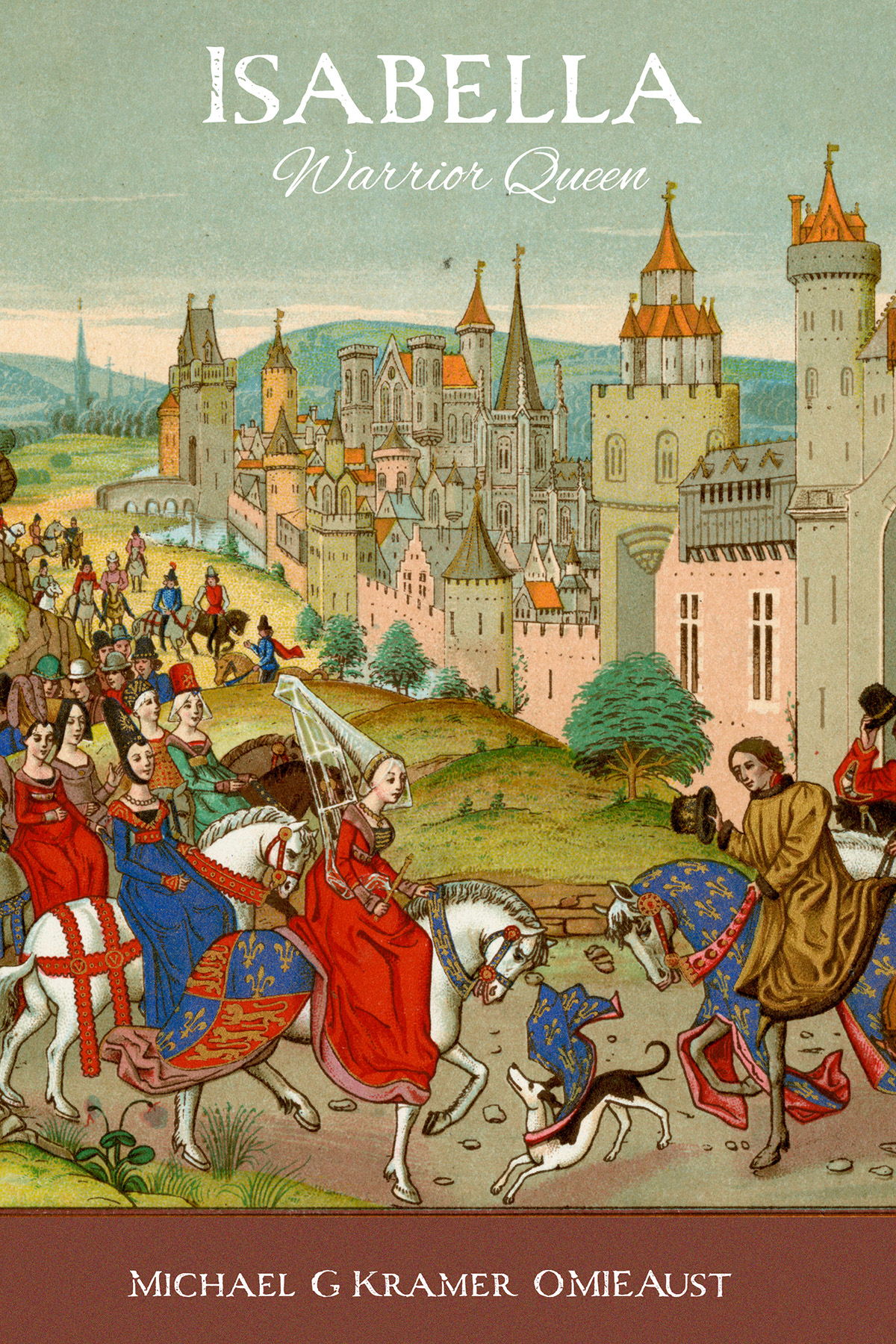
Isabella Warrior Queen
Book Description
A kingdom teeters on the brink of chaos, and only one woman stands ready to reclaim its honor. Isabella, a fierce warrior queen, battles treachery from within and savage foes from without, forcing her to navigate a perilous web of loyalty and betrayal. As alliances shift and darkness descends, her fight becomes not just for power, but for the very soul of her people. Heart-pounding action and emotional turmoil unfold in a legendary tale where love and sacrifice collide. Will Isabella rise to become the savior her kingdom desperately needs, or will she fall in the shadows of betrayal?
Quick Book Summary
"Isabella Warrior Queen" by Michael G. Kramer provides a riveting biographical account of Isabella I of Castile, delving into her rise from political uncertainty to becoming one of Spain's most influential monarchs. The book explores the tumultuous landscape of medieval Spain, where Isabella contends with internal treachery, shifting alliances, and external threats. Kramer highlights Isabella’s resourcefulness and indomitable will as she navigates complex webs of loyalty, betrayal, and power politics. Not merely a recounting of historical events, the work brings to life Isabella’s humanity—her emotional struggles, deep sense of duty, and willingness to make personal sacrifices for her people. This biography intertwines heart-pounding action with nuanced political intrigue, illustrating how Isabella’s legacy is built not only on military strategy but also on her vision for a united Spain. Through detailed storytelling, Kramer positions Isabella as a transformative leader whose actions defined an era.




Summary of Key Ideas
Table of Contents
The Formation of a Warrior Queen
The narrative opens in a tumultuous Castilian kingdom, with Isabella maneuvering through a hazardous political landscape. As a young princess, she faces uncertainty about her claim to the throne amid civil strife and rival factions. Kramer draws on primary sources and historical records to reveal Isabella’s education, her keen political instincts, and her cultivation of key alliances. This formative period sets the stage for her emergence as a leader capable of navigating both court intrigue and battlefield peril. Isabella’s early trials forge her resilience and sense of mission—qualities that will be critical as she ascends to power.
Loyalty, Betrayal, and Political Maneuvering
Once queen, Isabella’s rule is continuously challenged by betrayal from trusted nobles and open rebellion. Kramer emphasizes her ability to detect disloyalty, maintain a network of confidants, and respond decisively to threats. She undertakes a perilous campaign to root out corruption and re-establish royal authority. The biography details gripping moments when Isabella’s trust is shaken and showcases her strategic brilliance in bringing both enemies and potential allies around to her vision. Her rule becomes a study in political survival, showing how fidelity and deception shape the fate of nations.
Leadership During Crisis
At the heart of Isabella’s reign lies her leadership during times of national crisis. Facing external invasions and the constant threat of dynastic collapse, she rallies her armies and marshals the support of the Spanish populace. Kramer portrays Isabella as a leader whose battlefield presence and charismatic leadership inspire loyalty among her troops. She is forced to make rapid decisions in the heat of confrontation, balancing mercy and ruthlessness. The narrative brings to life heart-pounding battles and the emotional weight carried by Isabella as she fights not just for a crown, but for her people’s destiny.
Personal Sacrifice and Emotional Resilience
Beyond the public sphere, Kramer explores Isabella’s private world—her deep faith, her emotional struggles, and the personal costs of power. Isabella’s commitment to her cause requires great personal sacrifice: strained relationships, loneliness, and the ever-present weight of expectation. The author provides insight into her marriage to Ferdinand, presenting it as both a political alliance and a source of complex emotional support and challenge. Isabella’s personal journey is marked by moments of doubt, fiery resolve, and a relentless drive to secure a lasting legacy.
The Foundation of a United Spain
The biography concludes by evaluating Isabella’s transformative impact on Spain. Kramer underscores her role in unifying the kingdom and shaping its future as a dominant European power. Through reforms, religious initiatives, and visionary diplomacy, Isabella’s legacy outlives the crises she endured. Her reign becomes a turning point, not only in medieval Spain but in world history, as the foundations laid during her rule set the stage for an era of exploration and cultural renaissance. Kramer’s account captures Isabella’s enduring influence, showing how her story resonates beyond her own time.
Download This Summary
Get a free PDF of this summary instantly — no email required.