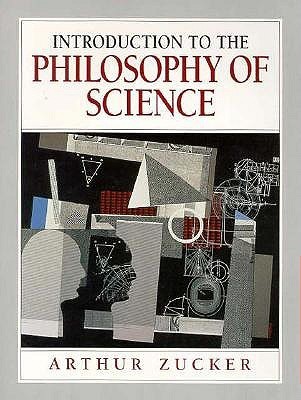
Introduction to the Philosophy of Science
Book Description
What if the very framework of reality is nothing more than a collection of shifting ideas? "Introduction to the Philosophy of Science" by Arthur Zucker unravels the tantalizing tapestry of scientific thought, exposing the delicate dance of theories, evidence, and hypotheses. With gripping clarity, the exploration dives into the heart of what it means to truly understand the universe. From the chaotic birth of revolutionary ideas to the rigorous debates that shape them, readers are led on an exhilarating journey through the minds that challenge conventional wisdom. Are we ready to question everything we know about knowledge itself?
Quick Book Summary
Arthur Zucker's "Introduction to the Philosophy of Science" offers a clear and engaging analysis of the fundamental questions underpinning scientific inquiry. The book challenges readers to critically examine the nature of theories, the function of evidence, and the shifting boundaries between knowledge and belief. Zucker presents major philosophical debates on the scientific method, the role of observation, and the status of scientific truth, unraveling how revolutionary ideas disrupt established frameworks. Through vivid examples and keen argumentation, Zucker guides readers to see science not as a static collection of facts, but as a dynamic process of discovery, debate, and revision. This work is an invitation to explore the deepest assumptions about reality and our quest to understand it.




Summary of Key Ideas
Table of Contents
The Nature and Limits of Scientific Knowledge
Zucker begins by interrogating the very foundation of scientific knowledge. He questions whether science yields objective truths about the world or constructs provisional models prone to revision. Readers are encouraged to appreciate the complexity in defining what counts as genuine knowledge, considering the limits of certainty. The book compares science with other forms of inquiry, like mathematics and everyday reasoning, to clarify what distinguishes scientific thinking.
The Relationship Between Theory and Evidence
The book then delves into the intricate relationship between theory and evidence. Zucker analyzes how empirical data are interpreted through existing theoretical frameworks, highlighting debates about induction, confirmation, and falsifiability. The role of hypotheses as provisional explanations is scrutinized, and examples from history demonstrate how entrenched ideas can bias the appraisal of evidence, sometimes delaying the acceptance of novel discoveries.
Paradigm Shifts and Scientific Revolutions
A central theme is the phenomenon of paradigm shifts and scientific revolutions. Drawing on thinkers like Thomas Kuhn, Zucker details how transformative ideas often emerge in opposition to prevailing norms, causing dramatic upheavals in scientific understanding. These episodes show science as a dynamic, competitive enterprise where consensus is periodically disrupted and renegotiated, rather than an orderly, ever-advancing progression.
Challenging Objectivity: Values and Biases in Science
Zucker also addresses the issue of objectivity in science. He explores the influence of cultural values, cognitive biases, and social dynamics on the development and acceptance of scientific theories. The notion that scientific inquiry is entirely free from personal or societal influences is challenged. Through examples, the book illustrates how implicit assumptions can guide what questions are asked and what counts as valid evidence.
The Logic and Language of Scientific Inquiry
Finally, the logic and language of science come under scrutiny. Zucker examines methods of reasoning, the role of conceptual analysis, and the precision (and limitations) of scientific terminology. Logical tools, such as deduction and induction, are discussed alongside the importance of clarifying terms and avoiding ambiguity in discourse. The book concludes by emphasizing that while science strives for clarity and certainty, its evolving language and frameworks reflect the ongoing quest to probe and make sense of a complex reality.
Download This Summary
Get a free PDF of this summary instantly — no email required.