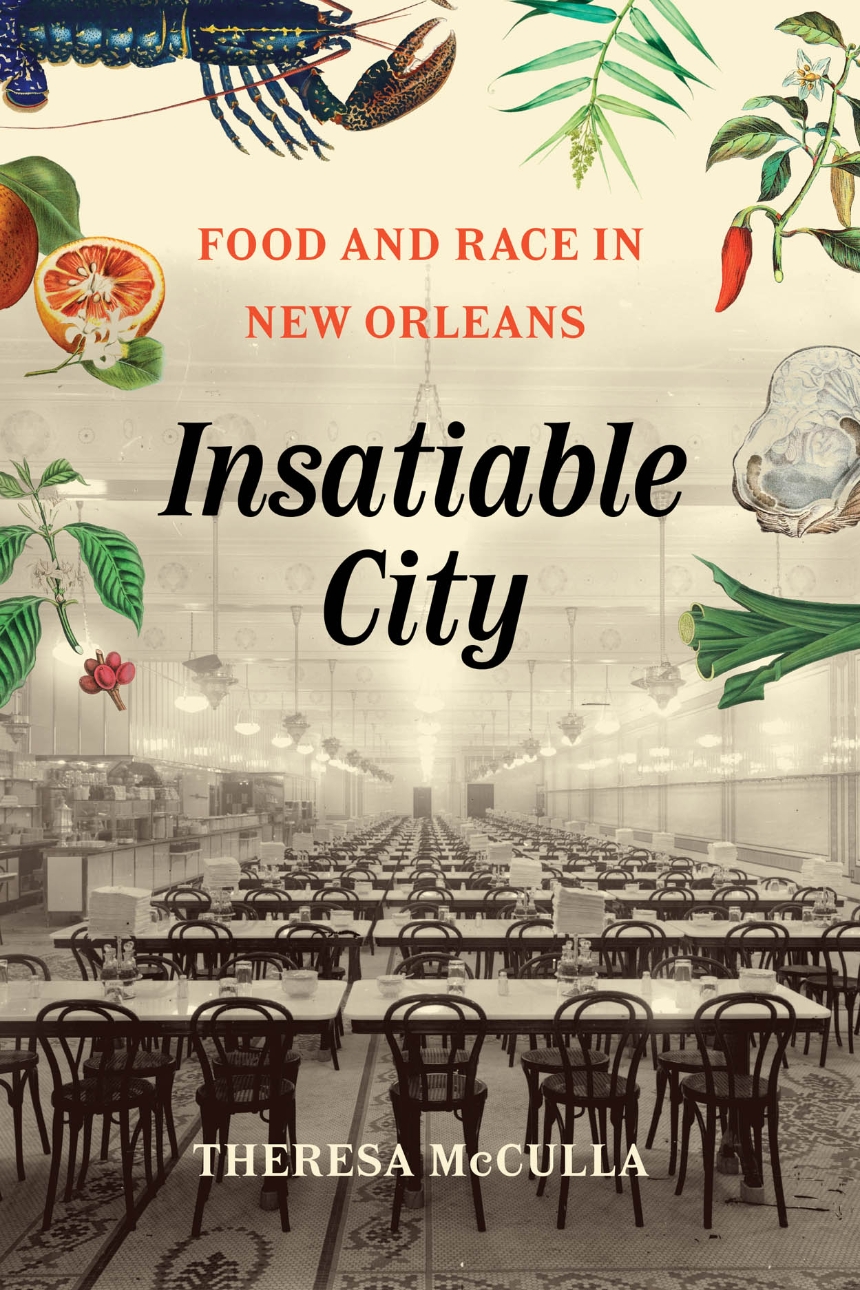
Insatiable City: Food and Race in New Orleans
Book Description
Amidst the vibrant chaos of New Orleans, a culinary battleground brews, where flavors collide with deep-seated racial tensions. "Insatiable City" uncovers the tantalizing secrets of food culture that reveal stark truths about identity, privilege, and survival. From street carts to fine dining, every dish tells a story steeped in history and struggle, navigating the complexities of race and community. As traditions clash and new narratives emerge, questions arise: Who truly gets a seat at the table? Will the city's rich culinary heritage unite or divide? This is a feast for the senses, but at what cost?
Quick Book Summary
“Insatiable City: Food and Race in New Orleans” by Theresa McCulla explores the intricate relationships between cuisine, race, and social power in New Orleans. Through vivid storytelling and rigorous research, McCulla reveals how food culture is both a stage for production and a battleground of identity, privilege, and exclusion. She traces the evolution of the city’s culinary traditions from the era of slavery to the present day, showing how Black cooks, immigrants, and marginalized communities have both shaped and been shaped by the insatiable appetites of New Orleans. The book demonstrates that what’s on the plate is never just about flavor: it’s about who holds the recipe, who is welcome at the table, and who is erased from the story. By weaving together stories of street vendors, high-end restaurateurs, and everyday diners, McCulla offers a nuanced portrait of how food can both perpetuate and challenge racism and inequality.


Summary of Key Ideas
Table of Contents
Food as a Battleground for Race and Power
Theresa McCulla delves into the history of New Orleans to show how the city’s celebrated cuisine is deeply entangled with histories of race and power. Far from being a simple matter of taste, what people eat—and who prepares it—has always reflected social hierarchies. In the city’s early days, enslaved Africans, free people of color, and immigrants built and sustained its culinary backbone, yet their contributions were frequently marginalized or forgotten in mainstream narratives, revealing a pattern where food becomes a subtle but potent site of inclusion and exclusion.
The Unseen Labor Behind Culinary Traditions
Much of New Orleans’s food tradition hinges on the unseen labor of marginalized groups. From the bustling street carts run by Black women in the 19th century to the generations of cooks laboring behind the scenes in famous restaurants, these figures were often the lifeblood of the city’s cuisine but rarely received public recognition or economic benefits. Their stories, once lost to history, highlight the selective memory of culinary heritage and the ways in which food spaces can reinforce systemic inequality.
Exclusion, Appropriation, and Cultural Identity
The book explores how cultural appropriation has shaped food narratives in New Orleans, questioning who ultimately reaps the rewards of the city’s rich foodways. Iconic Creole and Cajun dishes, beloved as emblems of local identity, are often severed from their origins in Black and immigrant kitchens. McCulla unpacks how restaurateurs and tourists alike both celebrate and commodify these traditions, sometimes rewriting history to favor more palatable, marketable versions of the past while sidelining uncomfortable truths about race and ownership.
Survival, Adaptation, and Changing Narratives
At the same time, McCulla uncovers individual and collective acts of resistance and adaptation. Marginalized cooks and entrepreneurs have repeatedly found creative ways to adapt, survive, and even reshape the culinary story of New Orleans. From forming mutual aid networks to inventing new dishes that defy racial boundaries, these agents of change demonstrate that culinary culture is never static. Their resilience challenges monolithic narratives and pushes for a broader recognition of culinary authorship.
Food as a Tool for Connection or Division
Ultimately, "Insatiable City" prompts readers to reconsider food as more than just sustenance or pleasure—it is a powerful tool for either bridging community divides or deepening them. McCulla suggests that genuine reconciliation lies in acknowledging the full, complicated history of New Orleans food, honoring those who have been kept on the margins, and reimagining what it means for everyone to have a true seat at the table. The book closes with a call to see food not just as a feast for the senses but also as a site of struggle, memory, and hope.
Download This Summary
Get a free PDF of this summary instantly — no email required.