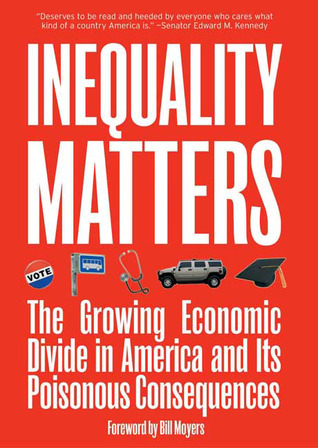
Inequality Matters: The Growing Economic Divide in America and Its Poisonous Consequences
Book Description
The American dream is slipping through the fingers of millions, as the chasm between the wealthy and the struggling widens. In "Inequality Matters," James Lardner unravels the shocking truths behind the surging economic divide, exposing the ramifications that ripple through society. With gripping statistics and poignant stories, he reveals how this disparity isn’t just an economic issue, but a poison that infects communities, erodes democracy, and undermines the very fabric of our nation. Can America confront its deepest wounds before they become unbearable?
Quick Book Summary
"Inequality Matters" by James Lardner offers an incisive examination of America’s widening wealth gap and its destabilizing effects on society. Through careful research, vivid storytelling, and striking data, Lardner contends that economic disparity affects every part of American life, from the decline of the middle class to the corrosion of political institutions. He highlights both policy choices and systemic changes that have accelerated the divide since the late 20th century, while also foregrounding the lived experiences of those left behind. The book asserts that inequality is not a natural outcome but a result of deliberate actions, and it warns of harmful consequences if the trend is left unchecked. Ultimately, Lardner calls for urgent economic and political reforms to restore fairness, opportunity, and social cohesion in America.



Summary of Key Ideas
Table of Contents
The Origins and Acceleration of Economic Inequality
James Lardner opens by tracing the origins of economic inequality in the United States, arguing that the divide has widened sharply since the 1970s due to policy shifts, deindustrialization, and changing labor practices. He presents historical context, showing how periods of prosperity and shared growth were often underpinned by strong worker protections, robust public institutions, and progressive taxation. Lardner makes clear that the current economic divide is not inevitable, but the result of political and economic decisions that have favored capital over labor and eroded the public safety net.
Impacts on Community and Social Mobility
Through vivid stories of real Americans, Lardner illustrates how inequality shapes communities and thwarts upward mobility. He describes neighborhoods hollowed out by job losses, underfunded schools, and families battling unaffordable healthcare and housing. The book highlights how race and geography magnify the divide, creating intergenerational poverty traps. Lardner argues that economic disparity frays social bonds and undercuts the promise that anyone—regardless of background—can succeed with hard work.
Democracy Undermined by Economic Disparity
A key focus of Lardner’s analysis is the impact of inequality on democracy. He details how concentrated wealth distorts political power, allowing special interests and affluent donors to set the policy agenda. Lardner provides examples of lobbying, campaign finance, and partisan gerrymandering, demonstrating how these forces make it harder for average citizens’ voices to be heard. The book argues that rising inequality weakens trust in democratic institutions and contributes to growing political polarization and cynicism.
Consequences for Public Health and Well-being
Lardner connects economic divides to broader societal harms, including public health crises and social unrest. He presents research linking inequality to shorter life expectancies, mental health challenges, and reduced well-being. Communities with high inequality experience more crime and less social trust. The pervasive sense of injustice and alienation generated by inequality, Lardner contends, further undermines collective efforts to address political and economic problems.
Paths Toward Economic Justice
In his concluding sections, Lardner lays out potential paths toward economic justice. He examines policy proposals such as raising the minimum wage, reforming taxation, investing in education, and strengthening labor rights. The book concludes with a call for grassroots activism and more responsive government, warning that enduring inequality threatens the very foundations of American society. Lardner urges readers and policymakers to confront these challenges head-on to restore equity, opportunity, and hope.
Download This Summary
Get a free PDF of this summary instantly — no email required.