
In the Penal Colony
Book Description
A machine of judgment whirs ominously in an isolated outpost, embodying humanity's darkest impulses. As an explorer witnesses the harrowing process of execution overseen by a fervent officer, tension mounts, unraveling themes of guilt, authority, and the quest for meaning. The haunting dialogue and chilling atmosphere force a confrontation with the nature of justice and the human condition. With each moment thickening the air with dread, choices must be made: Should one uphold a merciless tradition or challenge the very essence of authority? In this haunting odyssey, what truths will emerge when the fabric of morality is put to the test?
Quick Book Summary
"In the Penal Colony" by Franz Kafka is a chilling meditation on justice, power, and human morality set in a remote penal outpost. The story centers around an elaborate torture-execution apparatus, operated by a staunchly traditional officer who believes in its perfection as an instrument of justice. An explorer visiting the colony observes as a condemned man is prepared for execution with little chance of appeal. The officer defends the machine’s purpose and the old regime’s harsh methods, while seeking the explorer's implicit support. Tensions rise as the explorer grapples with the horror of the process and the implications of silent complicity. Ultimately, Kafka’s tale is a grotesque allegory, confronting readers with the blindness of ritualized justice and the ethical dilemmas of authority, obedience, and the search for meaning in a world governed by arbitrary rules.
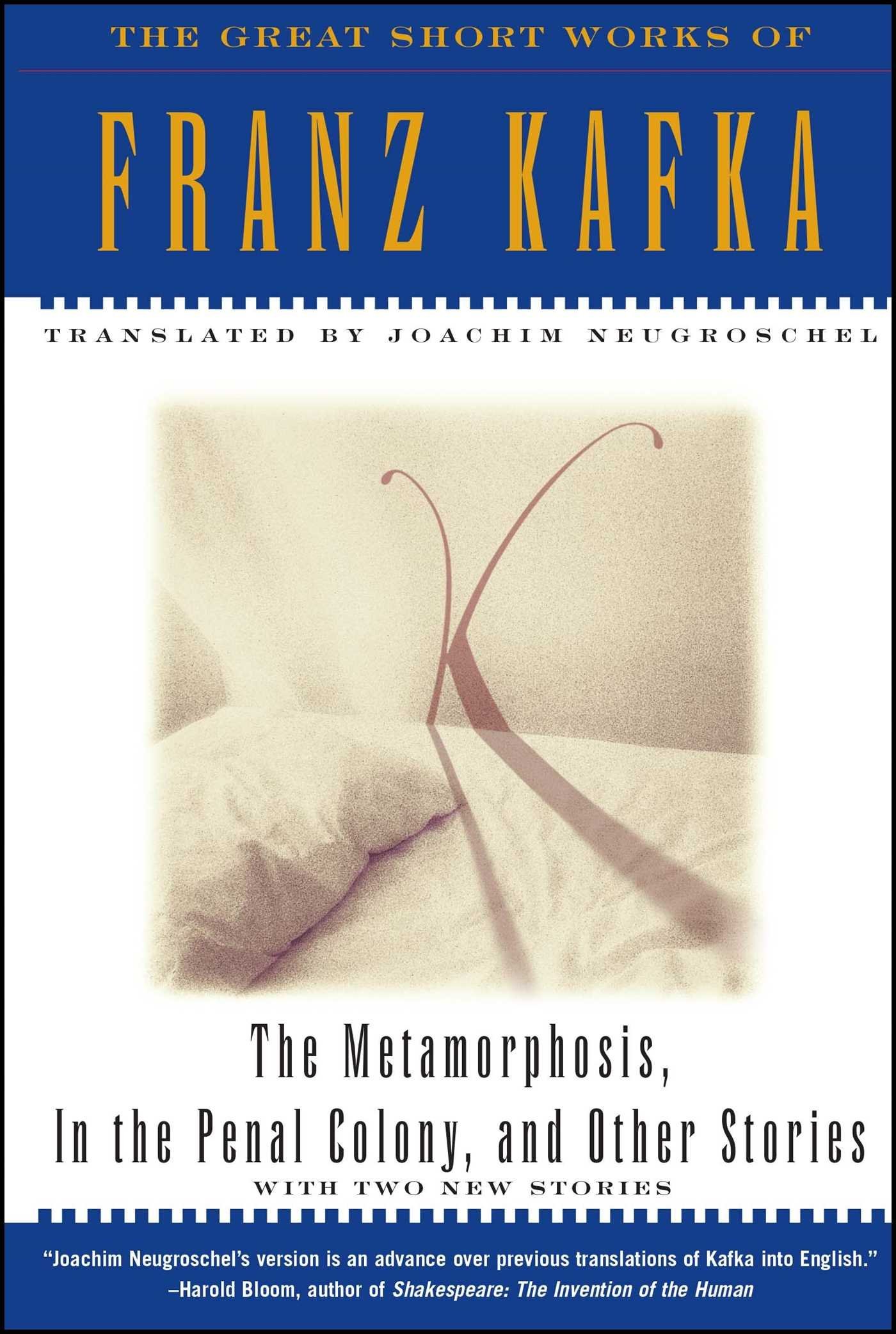



Summary of Key Ideas
Table of Contents
The Mechanization of Justice and Violence
Set in an unnamed penal colony, the story unfolds as an explorer from outside arrives to witness a unique execution device known for inscribing the alleged crime onto the condemned’s flesh. A zealous officer supervises the apparatus, revering it as a flawless embodiment of the colony’s former legal order. The condemned man, clueless as to his crime, is set to undergo the process. The explorer, meanwhile, serves as a witness invited ostensibly to legitimize the practice through his quiet approval, highlighting the dynamics of complicity and moral responsibility.
Blind Obedience and Authority
The officer sees himself as the last defender of a vanishing system, with the former commandant having ruled the island with rigid, unquestioned authority. The device, intricate and horrifying, symbolizes the mechanical enforcement of justice without empathy or appeal. The new commandant, who does not support such barbarity, avoids direct confrontation, passing responsibility for change—or preservation of tradition—onto the explorer’s reaction. Through their conversations, Kafka unravels the tension between tradition and reform, hinting at the inevitable decay of entrenched, inhumane systems.
Guilt, Punishment, and Redemption
Kafka probes the nature of guilt and punishment as the condemned man has no understanding of his accusation or sentence, exposing the inhumanity of blind, procedural justice. The machine’s ritualistic method of execution transforms law into meaningless suffering, while the officer clings to the belief in its redemptive purpose. His unwavering faith contrasts with the explorer’s growing discomfort, raising profound questions about vengeance, authority, and the true meaning of justice. The enforced silence of the condemned magnifies the horror—his suffering becomes a spectacle, stripped of dignity or self-understanding.
The Outsider’s Moral Dilemma
At the heart of the story lies the moral dilemma faced by the explorer—a passive observer whose judgment holds enormous weight for the future of the colony’s justice system. He refuses to intervene directly but challenges the officer’s faith by withholding approval. Ultimately, the officer, in a desperate act, submits himself to the device to prove its worth. The machine malfunctions, killing him brutally without the supposed ‘revelation’ it promises. Kafka’s ending suggests the futility and self-destruction of systems sustained by unthinking adherence to tradition.
Decay of Tradition and Change
Kafka’s story operates as an existential allegory about the dangers of institutional authority and the collapse of meaning in the face of obsolete traditions. The penal colony, its inhabitants, and their ritual reflect society’s often unquestioned structures of power. Moral responsibility, Kafka suggests, lies not only with those who wield authority but also with those who, by inaction or detachment, allow injustice to persist. The decay of the apparatus and the passing of the officer mark both the literal and metaphorical end of a cruel epoch, leaving the explorer—and the reader—to reflect on complicity and the possibility of humane justice.
Download This Summary
Get a free PDF of this summary instantly — no email required.