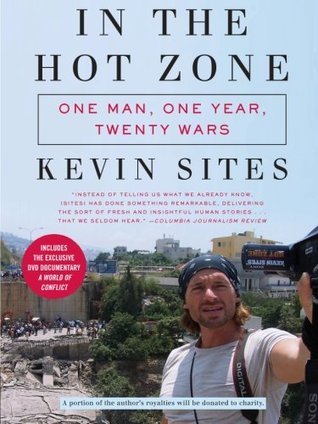
In the Hot Zone: One Man, One Year, Twenty Wars
Book Description
A year spent in the world’s most dangerous hotspots reveals the raw truth of war as never seen before. Kevin Sites, a fearless journalist, embarks on a relentless journey through twenty conflicts, illuminating the human cost behind the headlines. With each encounter, he captures harrowing stories of survival, sacrifice, and resilience, painting a vivid portrait of both brutality and beauty amidst chaos. As the line between observer and participant blurs, readers are forced to confront the complexities of conflict and the resilience of the human spirit. What happens when one man's quest for truth collides with the harsh realities of war?
Quick Book Summary
"In the Hot Zone: One Man, One Year, Twenty Wars" chronicles Kevin Sites' extraordinary journey as a solo war correspondent confronting the tumultuous realities of twenty global conflict zones within a single year. Through firsthand reporting, Sites exposes the raw human costs of war, illuminating stories of pain, endurance, and sometimes hope that rarely reach international headlines. His memoir intricately balances the brutality and precariousness of modern conflict with the resilience and humanity of those affected. By embedding himself on the frontlines, Sites not only documents warfare's impact on civilians and combatants but also wrestles with his own role as both observer and participant. The book forces readers to grapple with the blurred boundaries of war journalism and the lasting emotional and ethical toll such close encounters inflict, offering unparalleled insight into modern global conflicts.


Summary of Key Ideas
Table of Contents
Bearing Witness to Conflict
Kevin Sites embarks on a relentless yearlong journey through twenty war zones in Africa, the Middle East, Asia, and beyond, immersing himself in environments where danger and uncertainty are constant companions. As he chronicles some of the worst and most overlooked conflicts of the new millennium, he challenges the typical detached lens of journalism, choosing instead to walk among civilians and soldiers whose stories are often ignored or misunderstood. His approach thrusts him into the heart of chaos, capturing not only the artillery and violence but also the everyday struggles and small acts of kindness that persist despite adversity.
The Human Cost of War
Throughout the memoir, Sites underscores the immense suffering that war inflicts on individuals and communities. He highlights civilians caught between factions, children bearing scars both physical and emotional, and families torn apart by violence. By putting a human face to the statistics of war, Sites enables readers to connect personally with those affected, moving beyond numbers to evoke empathy, outrage, and deeper understanding. Through telling the stories of refugees, survivors, and reluctant fighters, he illustrates how trauma reverberates long after shots are fired.
Moral Dilemmas in War Reporting
Sites does not shy away from describing the ethical quandaries and moral ambiguity inherent in war reporting. He grapples with questions of neutrality, the consequences of intervention, and the limitations of storytelling amid chaos. Recounting moments where he must decide whether to assist or simply observe, he reveals the burden of being a chronicler who sometimes cannot help. These personal reflections serve to illuminate the responsibilities and constraints faced by journalists covering conflict, questioning whether mere observation can ever be truly neutral or harmless.
Resilience and Hope Amidst Despair
Amidst the devastation, Sites finds instances of remarkable resilience and hope. He shares stories of individuals refusing to surrender to violence: doctors maintaining makeshift clinics, teachers holding lessons in ruins, and communities struggling to rebuild. Even in the harshest circumstances, seeds of solidarity and humanity persist. Sites' encounters illustrate that hope is not naïve optimism but a deliberate choice to endure, resist, and retain dignity, providing both inspiration and perspective for those viewing conflict from afar.
The Psychological Toll on the Journalist
Finally, Sites turns inward to examine the psychological consequences of prolonged exposure to violence. The cumulative trauma of witnessing suffering, facing personal danger, and recounting horror exacts a personal toll. Sites is candid about the emotional scars, the moral exhaustion, and the challenge of reconciling his role as both observer and human being. His reflections bring vital awareness to the unseen burdens carried by war correspondents, emphasizing the importance of support, reflection, and resilience in continuing their critical work.
Download This Summary
Get a free PDF of this summary instantly — no email required.